

Introduction to Trump’s Trade Policies
The first year of Donald Trump’s second term was marked by a flurry of executive orders targeting perceived "adversaries" at home and abroad, negatively impacting transatlantic trade and the economy. His "Liberation Day" announcement of "reciprocal tariffs" last April shocked governments and companies worldwide, as did his crackdown on corporate diversity, equality, and inclusion (DEI) initiatives.
Impact on German Companies
German companies operating in the US are now wondering whether they can maintain their diversity or equality programs despite Trump’s "anti-woke" push to punish companies for progressive HR policies. The past year has shown that not every wish of Trump had to be fulfilled, as even unfulfilled threats served their purpose of unsettling the competition and strengthening the US’s negotiating positions.
American Jobs at Stake
According to the German Foreign Chamber of Commerce (AHK), the mood among German companies in the USA remains “tense”. Trump’s tariff threats were among the "biggest drags" on its business. Nevertheless, the USA remains a key market for German companies, with Germany being the third largest foreign direct investor, behind Japan and Canada. German companies have created almost one million American jobs, which is exactly what the president wants.
Deterioration of the Business Climate
Germany Trade and Invest (GTAI) paints a mixed picture, stating that although the US market remains Germany’s largest export destination, business conditions have "deteriorated significantly". German exports to the USA fell by 7.5% in the first 10 months of 2025 compared to the previous year. The mood among German companies has deteriorated significantly over the year.
Different Results
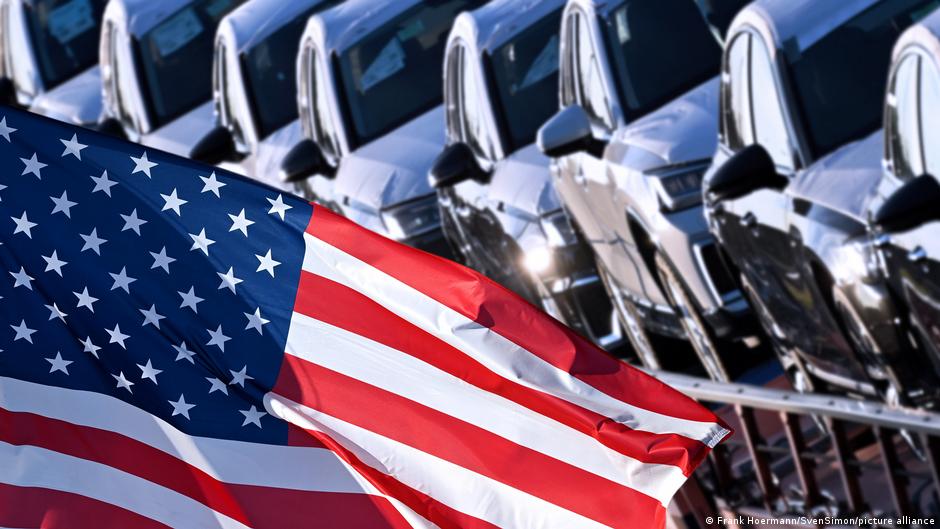
The impact of US customs policy varies across different sectors. The German automotive industry is exempt from the 50 percent tariffs on steel and aluminum imposed by Trump and only pays a general tariff of 15 percent on EU exports to the US. However, due to fierce competition in the US market, automakers are unable to pass on additional tariff costs to their products. In mechanical engineering, around half of all German machine exports to the USA are affected by steel and aluminum tariffs.
Limits of Reshoring
Trump has urged foreign companies to produce more goods in the United States to avoid higher import tariffs. However, it might make sense to “shorten supply chains – but only to a certain point.” The highly specialized types of machines made in Germany, Japan, South Korea, or Italy are not available in the United States and cannot be easily manufactured there. The supply chains and know-how are missing in the US, as they are based on decades – sometimes centuries – of accumulated experience.
Compliance with the Law
Several German companies stated that they "comply with the law" when asked about their assessment of the current business situation in the USA. For example, Lufthansa stated that capacity growth on North Atlantic routes was above average, with an increase of 6%. Mercedes and BASF also emphasized that their US diversity programs and initiatives were “in line with applicable legal requirements.”
Future Prospects
Despite the challenges posed by Donald Trump’s erratic trade policies, GTAI’s Rohde does not expect a dramatic decline in bilateral trade and the economy. German automakers plan to expand US production, albeit "within manageable limits," as Trump’s tariffs "divert capital that would otherwise flow into investment." Overall, Rohde remains cautiously optimistic that the USA will remain a “large and attractive sales market” for German companies.
