

Introduction to New Tariffs
US President Donald Trump announced that he would impose 25% tariffs on all countries doing business with Iran "effective immediately." Trump wrote on his social media platform that "any country that does business with the Islamic Republic of Iran will pay a 25% tariff on all business done with the United States of America," providing few other details.
Background of the Tariffs
The move comes as Iran faces its largest and most sustained anti-government protests in years, which have led to a brutal crackdown and reportedly killed thousands, and led to the arrest of more than 10,000 people. The tariffs appeared to signal the U.S. response to the unrest, with Trump later warning of "very tough measures" if Tehran executed protesters.
Impact on China
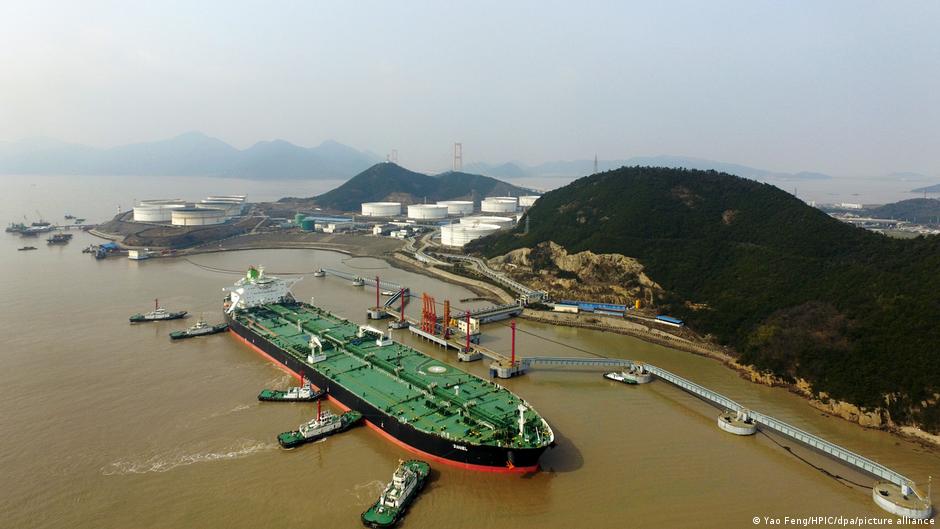
China is the main buyer of Iranian oil, which remains subject to international sanctions because of Tehran’s nuclear program. China received about 80% of Iran’s crude oil exports last year. To keep the flow of sanctioned oil flowing, Iran relies on a sophisticated network of shadow fleets, including ship-to-ship transfers and the relabeling of oil cargoes as coming from other countries.
Economic Consequences for Iran
The Iranian government’s shadow trade generates an estimated $43 billion in unreported revenue annually, which is a lifeline for Iran’s economy, supporting an isolated regime squeezed by sanctions, chronic inflation, and a rapidly depreciating currency. Iran exported $12.9 billion worth of goods worldwide in 2024, with more than a third of these non-oil exports destined for China.
Effect on US-China Trade Relations
The new tariff could pose significant risks for China, increasing the cost of Chinese exports to the US by an additional 25%, potentially raising overall tariffs to 45% or more on top of existing rates, making them less competitive in the US market. This would jeopardize the fragile U.S.-China trade truce agreed in October and could trigger a massive retaliation from China.
Potential Consequences
Oil prices jumped on the news, with US benchmark West Texas Intermediate (WTI) crude rising 2% to $60.74. The new levy risks disrupting global supply chains and oil markets. Whether the Trump administration would exempt China from the new tariff is far from clear, but strict enforcement of the tariff risks a major confrontation with Beijing at a time when U.S. trade talks are already fragile.
Expert Opinions
Experts warn that the new tariff “underscores how fragile the trade peace between Washington and Beijing is,” and even if Trump gives in, “some damage has already been done to trust between the two sides.” The Iran tariffs would be “deeply self-defeating for the US” rather than China, and “would not change Iranian behavior in the slightest.” If Trump’s tariffs are implemented, "they could seriously change China’s calculations" as Beijing could reassess whether the benefits of cheap Iranian oil outweigh the impact on its U.S. trade relations.
