

Introduction to Color Analysis
Cobalt blue, fiery red, and Pantone’s Cloud Dancer white are just a few hues that will dominate wardrobes in 2026. However, even if a color is on trend, that doesn’t automatically mean it suits you. As we leave behind the cream and taupe tones of “quiet luxury” and move back into bolder color palettes, more and more people are wondering what actually works. This question has brought color analysis back into the mainstream – not as a novelty of the 1980s, but as a tool for error-free shopping.
The Process of Color Analysis
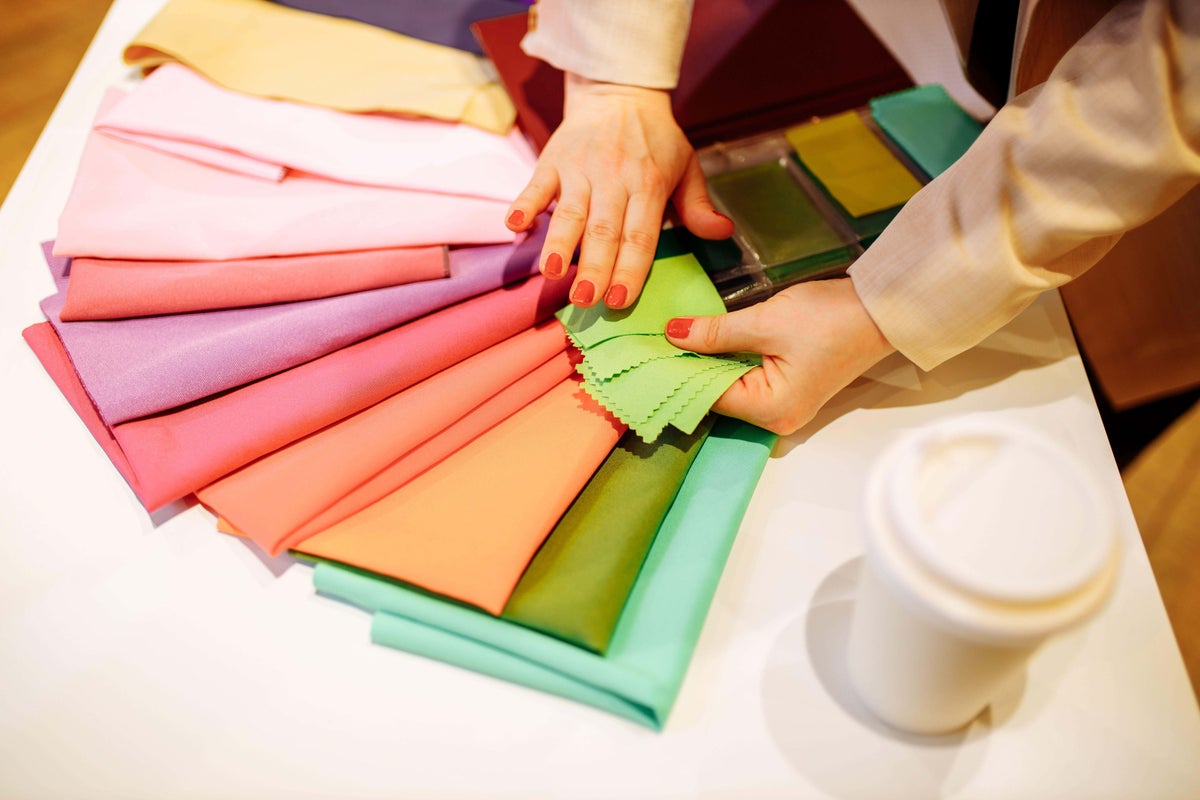
The first thing to determine is whether you have a warm or cool skin tone. Color analyst Michelle explains, "As soon as we know, we alternate between the two seasons: winter and summer are cool, autumn and spring are warm." From then on, the contrast determines the season. "So the difference between winter and summer is that winter is bright and sharp and very high contrast and the edges are really crisp and distinct, whereas summer is much softer, more tonal and blended." The assessment is visual and not theoretical, with fabrics draped under the face to determine the most flattering colors.
Understanding Your Season
Before undergoing a color analysis, many people assume they know their season based on their skin tone or hair color. However, the process can often reveal surprises. Even professionals are not immune to surprises, with Michelle revealing that she was initially disappointed to discover she was a winter, but now can’t imagine wearing soft, warm colors. The key to understanding your season is to look for colors that bring out the best in your skin tone and make your eyes look bright and defined.
Translating Trends for Your Season
What makes color analysis newly relevant is the way it interacts with trends. Instead of telling you what to wear, it acts as a filter. The question shifts from: Is cobalt in? to: Is cobalt in my season? This means you can participate in the color trend without being guided by it. You don’t have to ignore trends – you just adapt to them. For example, a winter might lean toward true cobalt, while a summer might opt for a more muted periwinkle version.
Does Timing Matter?
Many people assume that their skin tone changes with the seasons, and that certain colors only suit them at certain times of the year. However, Michelle says that this is a myth. "It makes no difference [whether you’re tanned or not]… If you get a color, as long as you don’t have fake tan applied, because that’s a little harder to see, but it doesn’t make any difference, you’ll have the same season no matter what." What changes is the emphasis, with some colors in your palette feeling better in summer, and others in winter.
Hair Color and Jewelry Considerations
Hair color and jewelry can complicate the color analysis process. "It can be hard to tell, when people dye their hair a fun color it can look striking, but it doesn’t necessarily look flattering." The same applies to jewelry, with some pieces standing out but not necessarily being perfect for you. This distinction between striking and harmonious is crucial in a year full of trendy colors.
Neutral Colors
Even neutrals are not universal, with white being a particularly tricky color to get right. "For white, a cool tone would be much sharper than Optic White, and a warm tone would be more ivory or cream." Michelle explains that a warm tone like cream can be flattering, but optical white can be harsh and unflattering.
Finding Your Perfect Colors
Once a season is identified, the palette is divided into three tiers: significant colors for accents, standout colors for individual pieces, and wow colors you can wear from head to toe. Michelle reveals that the key to finding your perfect colors is to look for shades that make your skin look healthy and your eyes look bright. With a little practice, you can learn to translate trends into your own personal style, and find colors that make you look and feel great.
Takeaways
A color analysis doesn’t mean that there are some color trends you can follow and others not – it translates them. Instead of chasing every shade, swap it out for your own version. And in a year where fashion is shifting from quiet luxury to “loud luxury,” it offers a way to participate without wasting money. By understanding your season and finding your perfect colors, you can stay on-trend without sacrificing your personal style.
