

Introduction to the Crisis
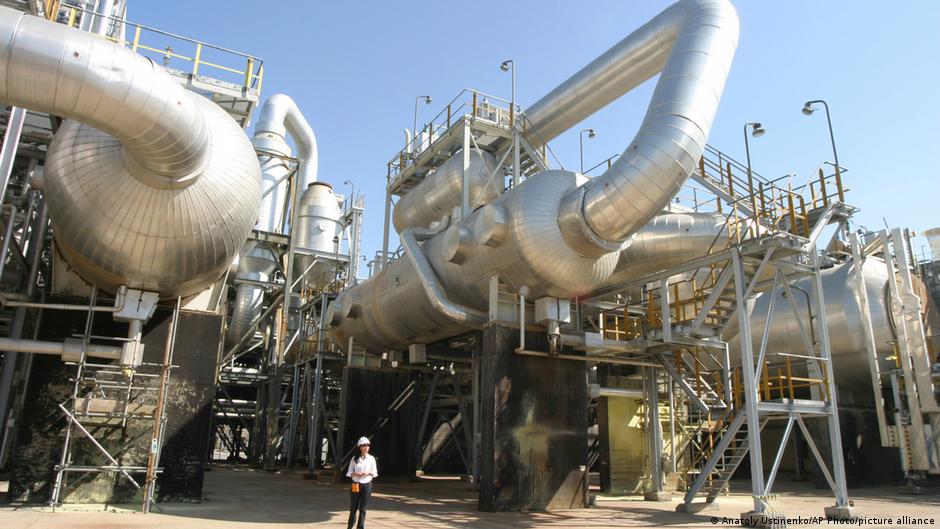
Ukraine’s drone attacks on Russian energy infrastructure have significantly affected Moscow’s export activities in recent months, but are also impacting other countries, particularly Kazakhstan. At the end of November, Ukrainian drone attacks paralyzed one of the three most important tanker loading facilities in the Black Sea port of Novorossiysk in Russia. This export terminal is the end of the Caspian Pipeline Consortium (CPC) oil pipeline, which transports crude oil from Kazakhstan’s giant Tengiz oil field, more than 1,600 kilometers away.
Recent Attacks and Their Impact
On January 13, three Greek-managed oil tankers in the Black Sea were hit by unidentified drones as they were on their way to load crude oil at the Novorossiysk terminal. It was not immediately clear who was behind the attacks. Oil and gas condensate production in Kazakhstan fell 35% between January 1 and 12 compared to the December average, mainly due to export restrictions via the Black Sea terminal.
Kazakhstan’s Economy and Oil Sector
The Kazakh government’s response reflects how important the CPC pipeline is to its entire economy. The pipeline transports the majority of Kazakhstan’s crude oil exports to the global market. Although most of its journey passes through Russian territory, it is primarily an economic advantage of Kazakhstan. Only about 15% of the oil transported in 2024 was Russian oil. Kazakhstan has largely built its economy on its oil sector, with oil production from the Tengiz and Kashagan oil fields accounting for between 15 and 20% of the country’s gross domestic product (GDP).
The Tengiz Oil Field
The Tengiz oil field is one of the largest in the world and a crucial part of Kazakh oil production. It has been the backbone of Kazakhstan’s economy since independence from the former Soviet Union in 1991. Kazakh oil has attracted billions in investments from U.S. oil companies such as Chevron and Exxon Mobil. Chevron just completed a massive $48 billion expansion at Tengiz as part of a plan to dramatically increase production at the oil field by about a third to one million barrels per day.
Criticism of Ukraine’s Tactics
The damage to Kazakhstan’s export capacity has drawn criticism of Ukraine’s tactics. After the drone strike in November, it was argued that it had a far greater material impact on Kazakhstan and Ukraine’s allies than on Russia. The CPC pipeline is intended to ensure that oil from inland Kazakhstan can reach global markets, with the majority of its shareholders being Western companies.
Need for Diversification
Several experts believe the November attack highlighted the risks to Kazakhstan’s oil sector posed by its reliance on Russian infrastructure and transit. There is a need to step up Kazakh attempts to export to Azerbaijan via the Baku-Tbilisi-Ceyhan pipeline and to China via a smaller pipeline. However, currently, these options offer limited potential to replace the CPC’s huge volumes, meaning Kazakhstan would remain highly dependent on Russian routes for the majority of its exports for the time being.
