

Introduction to New Dietary Guidelines
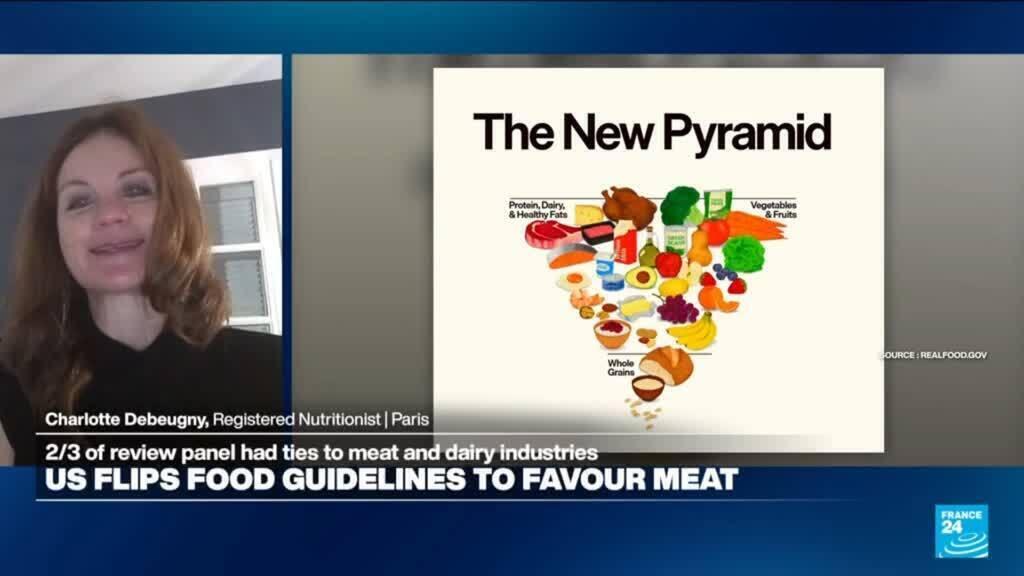
A new set of U.S. dietary guidelines has been released as part of the "Make America Healthy Again" campaign. These guidelines include a redesigned national food pyramid, aiming to encourage Americans to adopt healthier eating habits. The effectiveness of these policies, however, is under scrutiny due to the frequent changes in dietary advice and the political undertones surrounding them.
Background on Dietary Guidelines
The national food pyramid has undergone several transformations over the years, reflecting evolving understandings of nutrition and health. Each redesign is intended to provide Americans with the most current and accurate information on how to maintain a healthy diet. Despite these efforts, there remains confusion among the public about what constitutes a healthy diet, partly due to the changing advice and the influence of political and economic factors on dietary recommendations.
Expert Insights
To understand the implications and potential effectiveness of the new guidelines, it’s essential to consult with experts in the field of nutrition. A registered dietitian can offer insights into how these guidelines might impact public health and whether they align with the current scientific understanding of nutrition and dietetics. The expertise of a dietitian can help clarify the benefits and drawbacks of the redesigned food pyramid and the broader "Make America Healthy Again" campaign.
Effectiveness of Dietary Policies
The effectiveness of dietary policies depends on several factors, including how well they are communicated to the public, their basis in scientific evidence, and their ability to be implemented in everyday life. Policies that are overly complex or that fail to account for socioeconomic and cultural factors may not be as effective in promoting healthy eating habits. Moreover, the political context in which these policies are introduced can influence their reception and implementation.
Challenges and Considerations
One of the significant challenges facing dietary guidelines is the balance between providing accurate, evidence-based advice and navigating the political and economic interests that can influence food policy. Additionally, the guidelines must be accessible and applicable to a diverse population with varying dietary needs and preferences. The frequent changes to dietary advice can also erode public trust in these guidelines, making them less effective in promoting positive change.
Conclusion
The release of new dietary guidelines as part of the "Make America Healthy Again" campaign reflects an ongoing effort to improve public health through dietary changes. While these efforts are commendable, their success will depend on the guidelines’ ability to provide clear, scientifically grounded advice that resonates with the American public. By considering the insights of nutrition experts and addressing the complexities of dietary policy, it’s possible to create guidelines that effectively promote healthier eating habits and contribute to a healthier population.
