

Introduction to SleepFM
A new model of artificial intelligence, SleepFM, can estimate a person’s risk of around 130 diseases later in life after just one night of sleep in the laboratory. These diseases include Parkinson’s disease, dementia, heart disease, and prostate and breast cancer. SleepFM can make these predictions years before the first symptoms appear.
How SleepFM Works
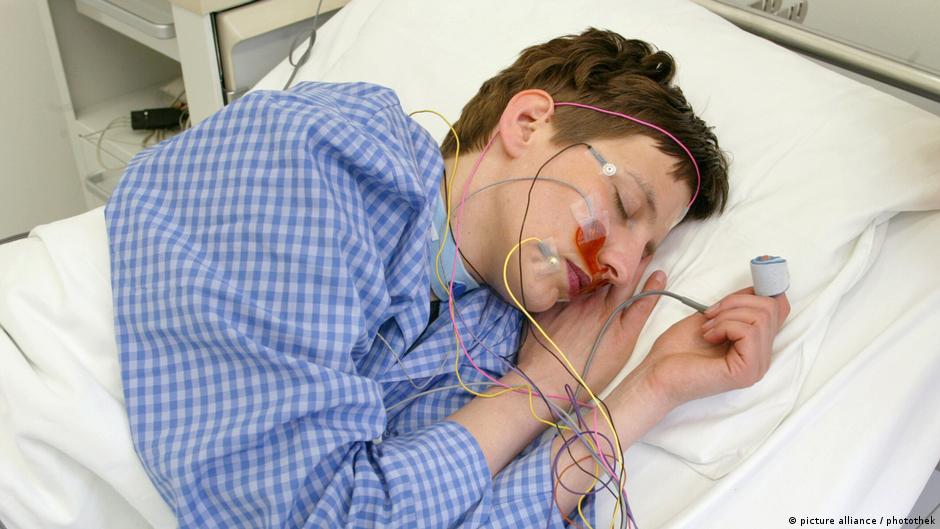
SleepFM was powered by nearly 600,000 hours of sleep data from 65,000 sleepers. The study and measurement of sleep is called polysomnography and uses various sensors to measure brain waves, heart activity, breathing, muscle tension, and eye and leg movements while the patient sleeps. The team used data primarily collected by the Sleep Medicine Center at Stanford University in California, USA.
Training SleepFM
First, SleepFM displayed signals from the brain, heart, and body during normal sleep, statistically calculating “normal” average values. SleepFM was then taught about the different phases of sleep as well as sleep apnea, a condition in which breathing repeatedly stops and starts during sleep. The researchers then linked the sleep data to electronic health records going back 25 years and examined how subsequent health diagnoses correlated with polysomnography measurements.
Disease Prediction
SleepFM was then able to detect patterns in the data and identify 130 out of approximately 1,000 possible diseases that could be predicted from the data with medium to high accuracy. The results show that many diseases – including stroke, dementia, heart failure, and all-cause mortality – are highly predictable from sleep data, further highlighting the potential of sleep as a powerful biomarker of long-term health.
Interdisciplinary Collaboration
Interdisciplinary collaboration is crucial in this field. If colleagues in sleep medicine suspect a connection, AI specialists can incorporate this into a prediction system, and vice versa, providing clues as to where connections might exist. Artificial intelligence cannot tell what caused an illness; it can only show connections, i.e., identify patterns that could be related to later diagnoses.
Potential for More Medical Knowledge
AI uses machine learning, programming that allows computers to find patterns in massive amounts of data. The machines “learn” from the patterns in the data. Even if the computers only find statistical connections, there is still potential for diagnosis and medical therapy. Models like SleepFM can record sleep stages or sleep apnea more efficiently, allowing doctors to spend more time with their patients.
Limitations and Future Directions
SleepFM’s predictions are based primarily on data from sleep labs, data from people who have typically been referred to doctors for sleep problems and who live in regions with access to high-tech medicine like this, which are likely wealthier areas. The SleepFM researchers integrated data from US and European sleepers, but in general, people without sleep problems and people from less affluent parts of the world are underrepresented in SleepFM’s modeling. There is also potential for such sleep diagnosis that goes beyond the current correlations between polysomnography and disease prediction. If certain sleep signals are repeatedly associated with certain diseases, they could provide clues as to which processes in the nervous system, cardiovascular system, or immune system are disrupted at an early stage, say experts. This kind of information could help everyone become healthier, far beyond sleep labs.
