

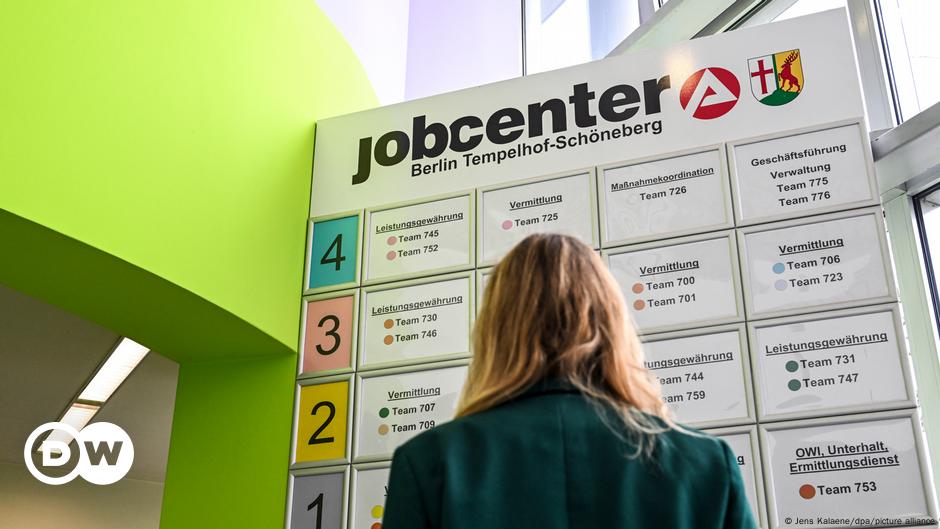
Europe’s Labor Market Shift
During and after the Corona crisis, Europe’s workers briefly enjoyed rare influence over their employers. Generous vacation and short-time work programs helped companies offset their personnel costs. Thanks to remote work, offices became optional. After the pandemic, headlines about the so-called “Great Retirement” reflected a global labor shortage that sharply increased demand for talent. Workplace burnout gave rise to another new phrase, “quiet quitting,” as employees rejected overwhelm in the pursuit of a healthier work-life balance.
Labor Market Trends
Research found in 2022 that a third of European workers are thinking about quitting their job within three to six months. This was a striking number for a region with traditionally low numbers. The European labor market has “cooled” and fewer vacancies and a more difficult economic climate are naturally making workers more cautious about changing jobs.
Economic Impact
With the continent’s industrial sector now under pressure, wage growth slowing, and artificial intelligence (AI) at risk of replacing human labor, the labor market has quickly reversed. The German automotive industry has announced tens of thousands of layoffs. The European Central Bank (ECB) reported that the labor market of the 21 member states of the euro zone will grow more slowly at 0.6% this year compared to 0.7% in 2025. Although this decline seems tiny, every 0.1 percentage point difference means about 163,000 fewer new jobs will be created.
Job Market Projections
In Germany, more than every third company plans to cut jobs this year. The Bank of France expects unemployment in France to rise to 7.8%, while in the UK, two-thirds of economists think unemployment could rise from the current 5.1% to as much as 5.5%. Unemployment in Poland, the European Union’s growing economic power, is rising slightly, reaching 5.6% in November, compared with 5% a year earlier.
Regional Variations
Some European economies are expected to outperform, such as Spain, benefiting from a post-COVID tourism boom, and Luxembourg, Ireland, Croatia, Portugal, and Greece, which are set for another record year of job growth. However, the labor market slowdown has given rise to new terms such as the "Great Hesitation," in which companies think twice about hiring and workers are cautious about leaving stressful jobs, and "career cushioning," in which a backup plan is quietly created in the event of layoffs.
Industry-Specific Challenges
The German industrial base has borne the brunt of job losses in recent months, particularly in the automotive, machinery, metals, and textile sectors. High energy costs, weak export demand, and strong competition from China have shed more than 120,000 jobs. The same pressure is hitting manufacturers in France, Italy, and Poland, pushing the euro zone manufacturing purchasing managers’ index (PMI) to 48.8 in December, its lowest reading in nine months.
The Impact of AI
A study published in July found that a quarter of European workers fear AI could threaten their own jobs, while 74% believe companies will need fewer employees because of the technology. The Nuremberg-based Institute for Employment Research (IAB) projected that in Germany alone, 1.6 million jobs could be transformed or lost through AI by 2040. However, experts argue that AI will lead to a “transformation” of the labor market, but “not to less work.” Many tedious tasks can be delegated to AI to free up human labor, and professional knowledge work will not shrink.
Future of Work
The rapid advance of AI could become a catalyst that prompts workers to act preemptively before automation reshapes their roles for them. For many European workers, this could be a moment of clarity, a jolt that prompts them to reevaluate their careers and prepare for the changing job market. As the labor market continues to evolve, it is essential for workers, companies, and governments to adapt and prepare for the challenges and opportunities that AI will bring.
