

Tesco’s Busiest Days Ever
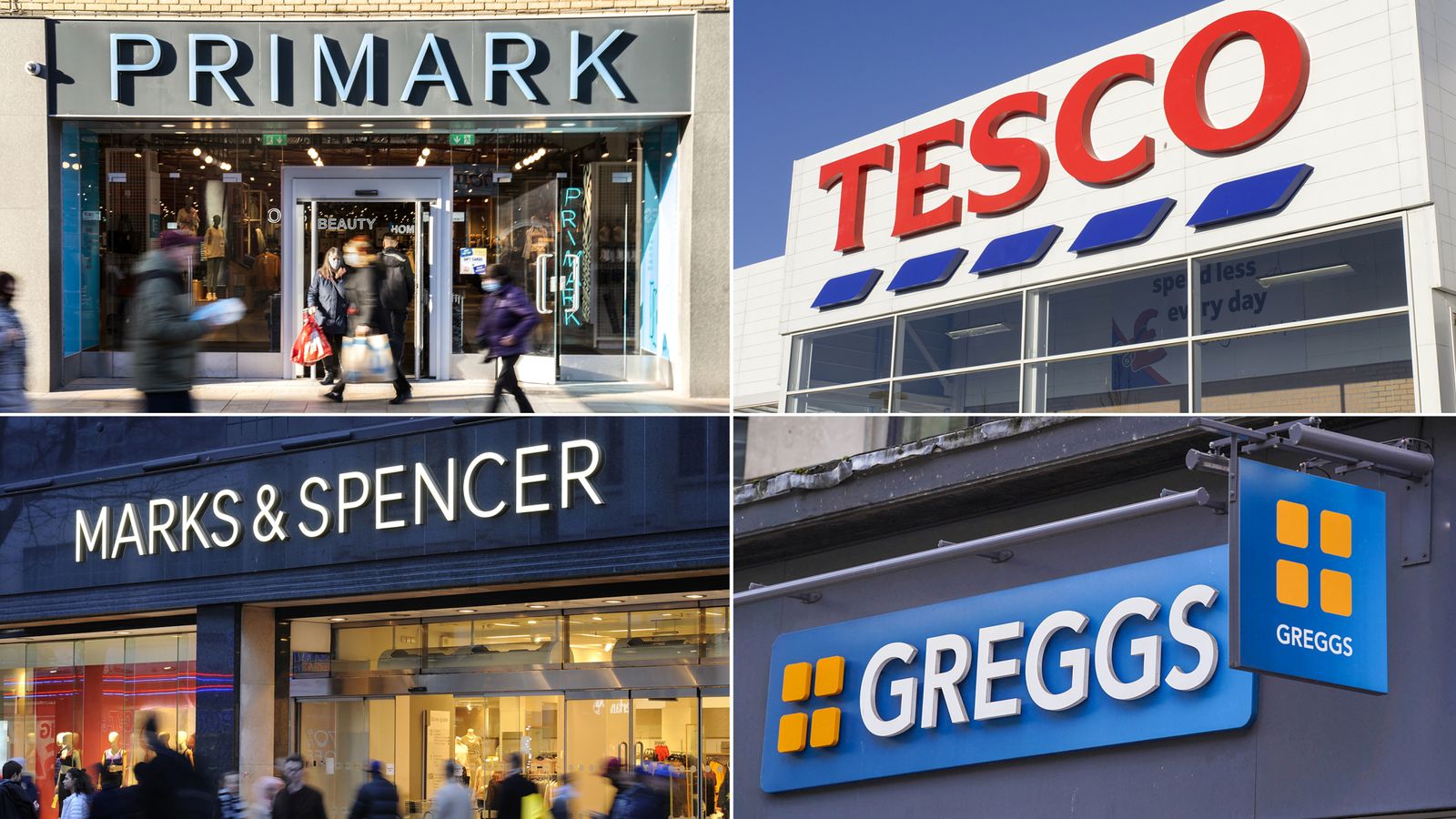
The UK’s largest supermarket chain had its busiest days ever over Christmas, reporting "strong" growth thanks to fresh food sales as customers sought to eat healthier. Tesco’s busiest days ever were December 22 and 23, the group said.
Strong Sales Growth
Behind the recorded 3.7% sales growth in the UK in the 19 weeks to January 3 was a further shift towards low and non-alcoholic drinks, people buying alternative Christmas meats such as roast beef, AI-powered deliveries and an "outstanding" performance in fresh food. Fresh food sales in the UK rose 6.6% compared to last year and 250,000 bottles of non-alcoholic Prosecco were purchased.
Impact of Weight-Loss Vaccinations
Chief executive Ken Murphy declined to comment on whether or not injections such as Wegovy and Ozempic will be "a significant driver" for Tesco, saying he did not want to make any predictions at this stage, "but we are seeing a continuation of the trend of people wanting to eat healthier in general". Such vaccinations, which contain a class of drugs called GLP-1, may make users less inclined to drink alcohol, avoid eating processed foods and switch to fresher foods such as lean meats and fruits and vegetables.
Online Sales Growth
The grocer’s overall sales were also boosted by online sales growth of more than 11%, as Tesco said it used artificial intelligence (AI) scheduling tools to offer more delivery slots and help optimize deliveries.
Lower Inflation Amid Hot Price War
In a market with "extraordinary" and "relentless" competition, Murphy said Tesco said its price increases were below the industry average of 4.3%, as assessed by Numerator consumer research firm Worldpanel. He declined to say the exact rate of price increases.
Corporate Christmas Updates
Not all corporate Christmas updates were so positive about the economy and consumer sentiment. Britain’s biggest fast food chain Greggs said it had made "good progress" but that it had been "a challenging year with subdued consumer confidence impacting the food-to-go market".
Department Store Performance
Department store Marks and Spencer reported that it was still affected by the Easter cyberattack, which left online systems out of order into the summer. The attack had a “long-tail impact on stock data and management,” M&S said on Thursday. This impact, along with lower footfall on high streets, contributed to same-store sales falling 2.9% across fashion, home and beauty in the 13 weeks to December.
Grocery Sales
But at the same time, record numbers of customers shopped at M&S as grocery sales were strong. Italian prepared foods, on-site bakery and deli contributed to the increase in grocery sales as more shoppers purchased groceries more regularly. Value ranges grew by 20% as M&S expanded its range.
Trading Conditions
In clear contrast, Primark parent Associated British Foods (ABF) said trading conditions were "tough" and expected to continue in the short term. Britain performed better than continental Europe, said ABF CEO. “Primark has had a challenging start to the financial year with a mixed performance.” The clothing market was "difficult… particularly over Christmas", although like-for-like sales rose 1.7%.
