

Introduction to the Nürburgring
The Nürburgring in the western hills of Germany is the longest permanent race track in the world. It is almost a century old and has hosted many Formula 1 Grand Prix races. The main part of the route is called the Nordschleife. The 20.8 kilometer (12.9 miles) long route is nicknamed the “Green Hell” – because of the surrounding forests of the Eifel region and its challenging route.
The Importance of the Nürburgring
To understand the importance of technology and performance in German automobile manufacturing, the Nordschleife is a good starting point. “If a car can set a good lap time here, it means that all components are working: suspension, tires, engine, chassis and of course the driver himself,” said Misha Charoudin, a car racing driver and influencer. All major automobile manufacturers have test centers at the Nürburgring, and testing cars was an important reason for the track’s construction in 1927.
The German Automotive Industry
The German automotive industry has used its heritage and the speed limit Autobahn, Germany’s public highway system, to its advantage in advertising and brand building. Brands such as Mercedes-Benz, BMW, Audi, and Volkswagen stood for precision technology, performance, and reliability. They weren’t just cars – they were cultural icons and the backbone of the German economy. However, today that magic is fading. The industry employs over a million people and has long been a barometer of economic health. In 1950, German automobile manufacturers sold around 200,000 vehicles. Today, around 14 million copies are sold worldwide.
The Decline of the German Automotive Industry
The good times are over. Sales are shrinking, jobs are being cut, and factories are facing closure. The first cracks appeared in Dieselgate in 2015, when Volkswagen was caught cheating on emissions tests. The scandal cost VW more than 30 billion euros and shook trust in German brands. Worse, it coincided with a global shift toward climate-friendly technologies. While Tesla doubled its sales of electric cars, German manufacturers hesitated.
China’s Rise to Prominence
China was the promised land for years. In the 1980s, China’s political leaders invited Volkswagen to set up joint ventures and build cars in China for the Chinese people. There were times when Volkswagen’s market share approached 50 percent. Later, other car manufacturers followed suit. The more China’s economy grew, the larger the country’s car market became. Until a few years ago, German car manufacturers sold one in three cars in China. But China had a plan: learn from foreign partners and then lead. In 2009, Beijing passed a law on electric vehicles.
China’s Chance to Overtake German Car Manufacturers
China is now the world leader in electric vehicles and batteries. Every second car sold in China is an electric car – and almost all of them are Chinese brands. German sales have collapsed in their most important market. The German car manufacturers did not expect this, and they underestimated the determination of the Chinese leadership and the speed of development. Billions in subsidies and infrastructure later, China has overtaken Germany in the electric vehicle market.
Can India Fill the Gap?
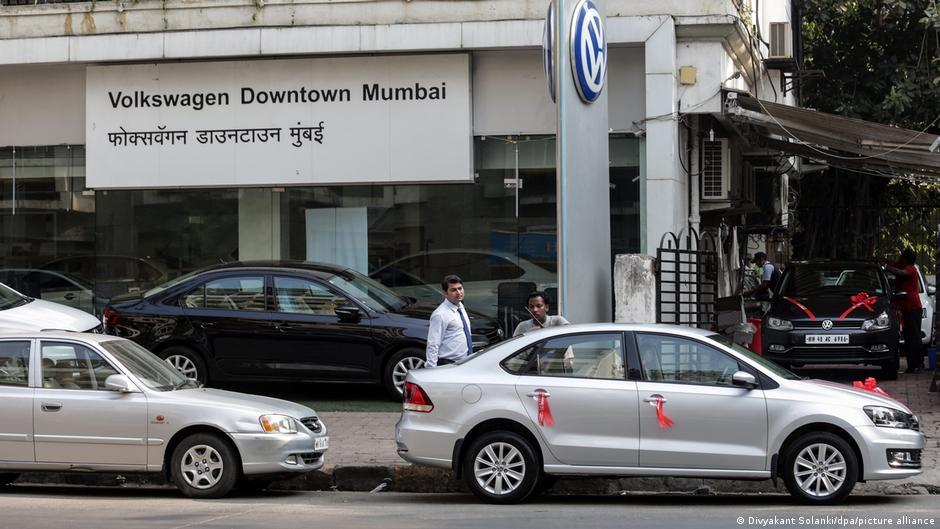
When you observe the heavy traffic in Chennai, a city in southeastern India, you rarely see a German car. Indian, Japanese, and Korean cars dominate the streets of the city. The BMW plant in Chennai only produces around 80 cars a day, while the car manufacturer’s German flagship produces 1,400. Still, growth is strong – over 10% annually. But can India fill the gap left by China? The answer is no. India is a different market, and German car manufacturers face cultural hurdles.
Lessons Learned – or Too Late?
Beatrix Keim believes that German car manufacturers are striving for change. “They understand that they have to move faster, come down from their ivory tower and learn,” she said. Meanwhile, the race to build successful electric vehicles is in full swing. In China, local electric vehicle manufacturers are struggling with overcapacity and falling prices. They are also trying to sell their electric vehicles in Europe, with limited success so far. But electric car makers from China and elsewhere are testing their cars at Germany’s Nurburgring, a symbolic turn in a tale of lost dominance. Could German car manufacturers completely miss the boat? The answer is yes, and it can happen if they do not adapt to the changing market and technological landscape.
