
Close Menu
  • Home
  • Entertainment
  • Film & TV
  • Fashion
  • Business
  • Sports
  • Lifestyle
  • Tech
  • Health
What's Hot

The Federal Reserve is challenging Trump to keep interest rates stable

January 29, 2026

Santander UK is closing 44 branches – will yours be affected? | Money news

January 29, 2026

“The hospital’s neglect in the death of my son ripped our hearts out”

January 29, 2026
Facebook Instagram YouTube TikTok
  • About Us
  • Contact Us
  • Terms & Conditions
  • Privacy Policy
Facebook Instagram YouTube TikTok
Nana Media
  • Home
  • Entertainment
  • Film & TV
  • Fashion
  • Business
  • Sports
  • Lifestyle
  • Tech
  • Health
العربية
Nana Media
العربية
You are at:Home»Lifestyle»US research shows what ADHD medications really do and what they don’t do
Lifestyle

US research shows what ADHD medications really do and what they don’t do

Nana MediaBy Nana MediaJanuary 10, 20263 Mins Read
Facebook Twitter Pinterest LinkedIn Tumblr Email
US research shows what ADHD medications really do and what they don’t do
Share
Facebook Twitter LinkedIn Pinterest Email Copy Link

Introduction to ADHD

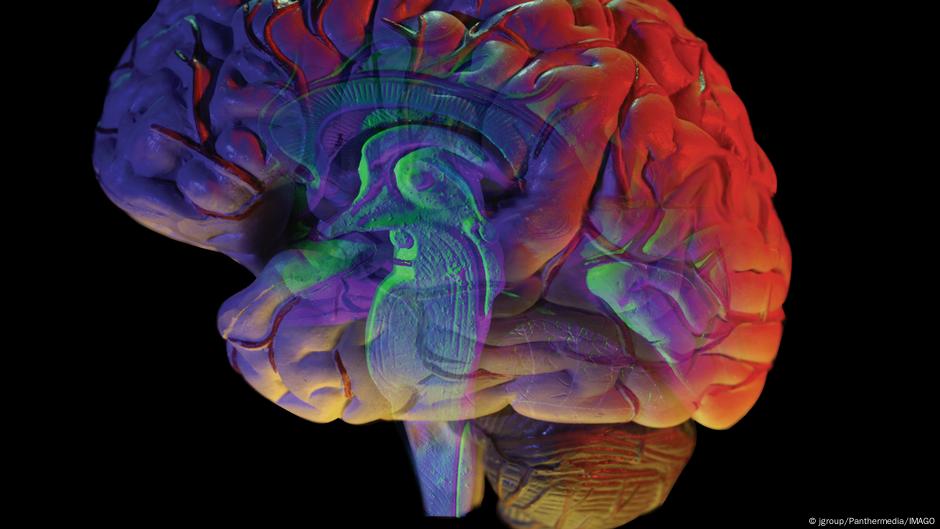
Attention deficit hyperactivity disorder (ADHD) is a neurodevelopmental disorder that begins in childhood. Those affected often suffer from persistent problems with attention, impulse control, and hyperactivity. Researchers at Washington University School of Medicine in the United States have found that medications commonly prescribed for ADHD, such as Ritalin or Adderall, "act primarily on the brain’s reward and alertness centers, rather than its attention circuitry."

How ADHD Medications Work

The study shows what such stimulants can actually do and what they cannot do. This information is important for people with ADHD because it shows why some tasks suddenly feel less strenuous for people on medication. The Washington University research team examined brain scan data from nearly 5,800 children and found that the drugs primarily affected the reward and alertness centers of the brain. They didn’t light up the brain’s attention circuits, and this remained the case in an additional experiment with adults.

Effects of ADHD Medications on the Brain

The researchers interpreted this to mean that the drugs "enhance performance by making individuals with ADHD more alert and interested in tasks, rather than directly improving their ability to concentrate" and help "make activities that the child normally has difficulty concentrating on relatively more rewarding." Children are more likely to persevere because learning feels less tedious. The medications make people more alert and motivated, allowing them to stay focused.

Treatment of ADHD

The treatment guidelines for ADHD generally recommend a graduated approach. The first option is to provide information and everyday support to structure and establish routines. Depending on the severity of the disorder, psychotherapy may be helpful. In moderate to severe cases, medications may be used in addition to or as an alternative to other remedies. Medications such as methylphenidate, amphetamines, atomoxetine, and guanfacine are used to treat ADHD.

Types of ADHD Medications

Ritalin, a methylphenidate, and Adderall, an amphetamine mixture, are stimulants that rapidly increase dopamine and norepinephrine levels. Atomoxetine and guanfacine are “non-stimulants” and do not produce acute alertness or euphoria. Instead, they tend to stabilize attention, impulse control, and emotional irritability. ADHD medications are typically prescribed as part of a broader treatment plan and are only used under the supervision of specialized physicians.

Behavioral Therapy for ADHD

Treatment often begins with behavioral therapy, in which people with ADHD learn, with the help of a therapist, to structure their day and to divide tasks into manageable parts, to organize themselves effectively using tools such as calendars and reminder apps, and to better deal with frustration or overwhelm. This does not “cure” ADHD as such. But clear routines, reward schedules, and self-soothing techniques are all strategies for managing symptoms.

Importance of Sleep in ADHD Management

One of the most surprising aspects of the study was how stimulants helped children with ADHD who were sleep-deprived. The medications were associated with better school grades and cognitive performance. However, this was not the case for children who got adequate sleep and did not suffer from the disorder. For the children who didn’t get enough sleep, the stimulants essentially eliminated sleep deprivation from the brain scans. In the short term, the drugs acted like an artificial substitute for good sleep. However, the team warned that this would not necessarily work in the long term. Lack of sleep is biologically harmful to humans, even if it can be temporarily masked by medication. ADHD patients need to be carefully evaluated for sleep deprivation and whether this may be the cause of their symptoms. Simple adjustments to sleep hygiene, daily routine, or stress reduction may be most needed.

Acute stress disorder Adderall Alertness Amphetamine Anticoagulant Atomoxetine Attention Attention deficit hyperactivity disorder Attention deficit hyperactivity disorder management Behaviour therapy Brain Cognition Combination drug Dopamine Drug rehabilitation Emotion Etiology Euphoria Guanfacine Human brain Impulse-control disorder Inhibitory control Irritability Medication Methylphenidate Neurodevelopmental disorder Neuroimaging Norepinephrine Planning Psychotherapy Reward system Signs and symptoms Skill Sleep deprivation Sleep hygiene Stimulant Stress management Substituted amphetamine Suffering Washington University School of Medicine
Share. Facebook Twitter Pinterest LinkedIn Tumblr Email
Avatar photo
Nana Media
  • Website

Related Posts

United and American Airlines are raising ticket prices at major U.S. airports as rivalry heats up

January 29, 2026

“I needed an IUD to control the bleeding, but I was just on a waiting list.”

January 29, 2026

73-year-old grandmother, celibate for 40 years, opens up about her life as an escort

January 28, 2026
Top Posts

The Federal Reserve is challenging Trump to keep interest rates stable

January 29, 2026

Gavin Newsom is played by Travis Quentin Young in the film ’33 Days’.

June 10, 2025

Yes, that’s really that Bob Dylan MGKS “Lost Americana” albon trailer tells

June 11, 2025

How to find the perfect fascinator for the race day

June 10, 2025
Don't Miss
Entertainment

Taylor Russell leaves Michael B. Jordans ‘The Thomas Crown Affair’ remake

By Nana MediaJuly 19, 2025

Taylor Russell Exits Amazon MGM Studios’ Film Taylor Russell has left her role in the…

Time to buy gold? The next decline could be the best entry point for investors, analysts say

October 20, 2025

Tribute Bands Festival for the opposition of the Council

August 22, 2025

Netflix ” Stranger Things: Tales from ’85’ series that is to be published with additional characters next year

June 12, 2025
About Us
About Us

Welcome to Nana Media – your digital hub for stories that move, inform, and inspire. We’re a modern media platform built for today’s audience, covering everything from the glitz of entertainment and the magic of film & TV to the latest innovations shaping our tech-driven world. At Nana Media, we bring you sharp insights, honest opinions, and fresh takes on the trends shaping pop culture and beyond.

Facebook Instagram YouTube TikTok
Our Picks

The Federal Reserve is challenging Trump to keep interest rates stable

January 29, 2026

Santander UK is closing 44 branches – will yours be affected? | Money news

January 29, 2026

“The hospital’s neglect in the death of my son ripped our hearts out”

January 29, 2026
Our Newsletter

Subscribe Us To Receive Our Latest News Directly In Your Inbox!!!

We don’t spam! Read our privacy policy for more info.

Check your inbox or spam folder to confirm your subscription.

© Copyright 2026 . All Right Reserved By Nanamedia.
  • About Us
  • Contact Us
  • Terms & Conditions
  • Privacy Policy

Type above and press Enter to search. Press Esc to cancel.