

Introduction to Knife Amnesty
Knife amnesty containers are being placed outside hospitals in Birmingham and Sutton Coldfield after weapons were found by health workers in toilets, on a footpath and even just before a patient’s MRI scan. A bin for the safe disposal of blades is already in use at Heartlands Hospital in Birmingham. More will be installed next week at the Queen Elizabeth Hospital in the city and at Good Hope in Sutton Coldfield.
The Problem of Knife Crime
People come into hospital with knives and can sometimes become victims of knife crime themselves. This provides a good opportunity for reflection and the bin provides an opportunity for that person to disarm themselves and take a knife out of circulation and off the road. It reduces our fear and reduces the risk of knife crime, which is why we welcome the incentive.
Incidents of Knife Finds
In the final quarter of 2025, two of the knives were found hidden in toilets at Heartlands Hospital and one was found next to a public footpath at Queen Elizabeth Hospital. At one point, a patient handed a Heartlands employee a knife as he was undergoing an MRI scan – posing a danger to a patient carrying metal objects.
Medical Professionals’ Views
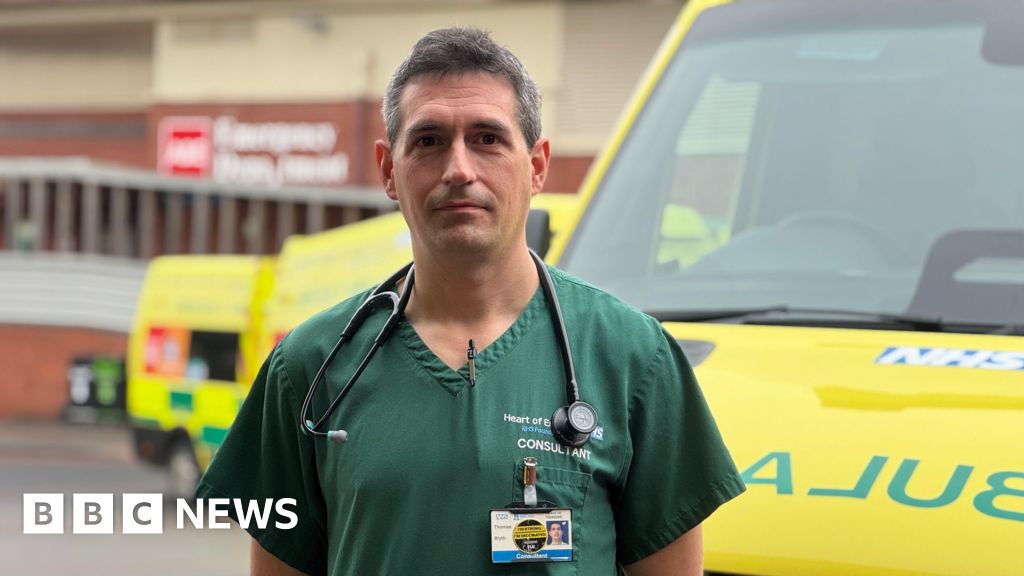
Sa Narang, consultant in emergency medicine and pediatric emergency medicine, said: "It’s quite worrying that we have young people carrying knives and willing to use those knives." One of the key interventions we carry out in the emergency department for children is to talk to victims and perpetrators about the impact this would have on their future lives. And if we can just intervene to talk to them about it so they can think about their actions, then that’s one less knife or one less victim on the street.
Police Involvement
PC Luke Cooper, liaison officer at West Midlands Police’s Heartlands Hospital, said knives were regularly found in bushes outside the emergency department. The bushes were recently removed, partly because of the problem. Several knives of different sizes were found here, which were seized by ground staff and security. The knife bin now offers “the opportunity to dispose of a knife more responsibly, rather than throwing it into the bushes before taking it to hospital,” he added.
Community Reaction
Mark Brindley, who lost his son to knife crime, welcomed the move. "It’s shocking but not surprising. Knives are particularly prevalent in areas of high poverty and deprivation and we see this across the country, not just the West Midlands," he said. Any knife in a bin that is properly designed will help, but it needs to be part of wider measures and those wider measures need to be education, not just for young people but also for parents and communities.
Conclusion
The containers were funded by the University Hospitals Birmingham Charity. Jonathan Brotherton, chief executive of UHB, said: “Unfortunately, colleagues in our emergency departments and in our hospitals see first-hand the physical and emotional harm that knife crime causes to local people.” We hope that by installing these knife containers, our hospitals, which are cornerstones of our communities, can do their part to reduce serious injuries and deaths.
