

Noise Pollution in Indian Megacities
Introduction to the Problem
The residents of Indian megacities like New Delhi and Mumbai are constantly exposed to high levels of noise pollution. The sources of this noise are diverse, ranging from traffic and excessive honking to construction and religious celebrations. This perpetual barrage of sound rarely gives the ears of city dwellers a moment’s peace.
Health Implications
Noise pollution is not just a nuisance; it also has significant health implications. Prolonged exposure to high noise levels can lead to hearing loss, increased stress levels, and other health issues. Despite these risks, authorities in India have been slow to address the problem, leaving residents to suffer in silence.
Sources of Noise Pollution
Traffic and Honking
Traffic is one of the primary sources of noise pollution in Indian cities. The constant flow of vehicles, coupled with the frequent use of horns, creates a cacophony of sound that is both annoying and harmful. The lack of adherence to traffic rules and the absence of effective noise regulation mechanisms exacerbate the problem.
Construction and Development
Construction activities are another significant source of noise pollution. The rapid urbanization of Indian cities has led to a surge in construction projects, which often operate around the clock, generating high levels of noise. The use of heavy machinery and the lack of noise-reducing measures at construction sites add to the problem.
Religious Celebrations
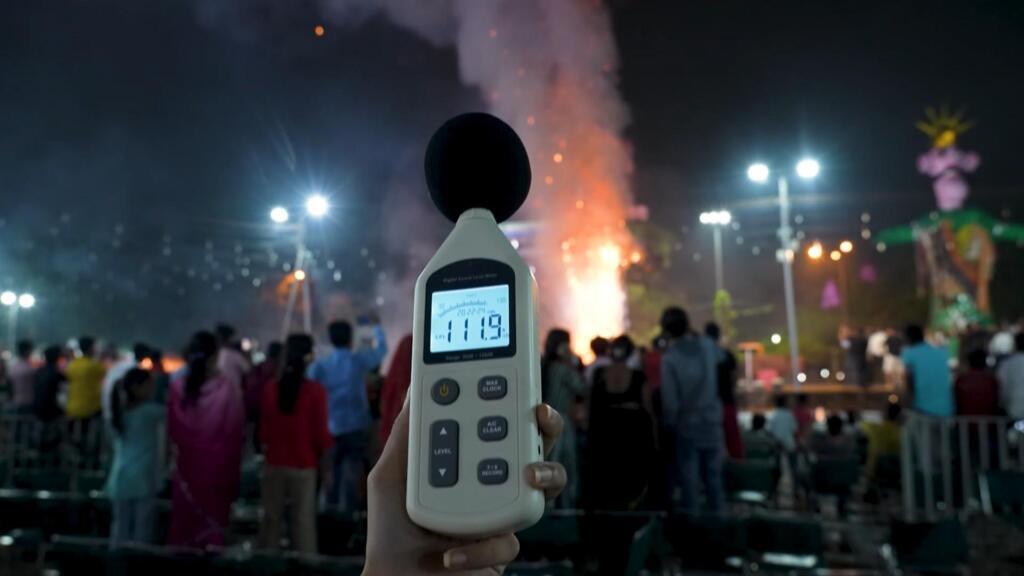
Religious celebrations and festivals are an integral part of Indian culture, but they can also be a source of noise pollution. The use of loudspeakers and firecrackers during these events can reach noise levels that are hazardous to health. While these celebrations are important for the cultural and religious fabric of the society, there is a need to balance them with the need to protect public health.
The Need for Action
Despite the severity of the problem, authorities in India have been reluctant to take concrete steps to address noise pollution. There is a need for comprehensive policies and regulations that can help reduce noise levels in Indian cities. This could include measures such as stricter traffic management, noise limits for construction activities, and guidelines for the use of loudspeakers during religious celebrations.
Conclusion
Noise pollution is a significant health scourge in Indian megacities, with far-reaching implications for the well-being of residents. The diversity of sources, from traffic and construction to religious celebrations, requires a multifaceted approach to mitigate the problem. It is imperative that authorities take proactive steps to address noise pollution, ensuring that the residents of cities like New Delhi and Mumbai can live in a healthier and more peaceful environment.
