

Introduction to the Crisis
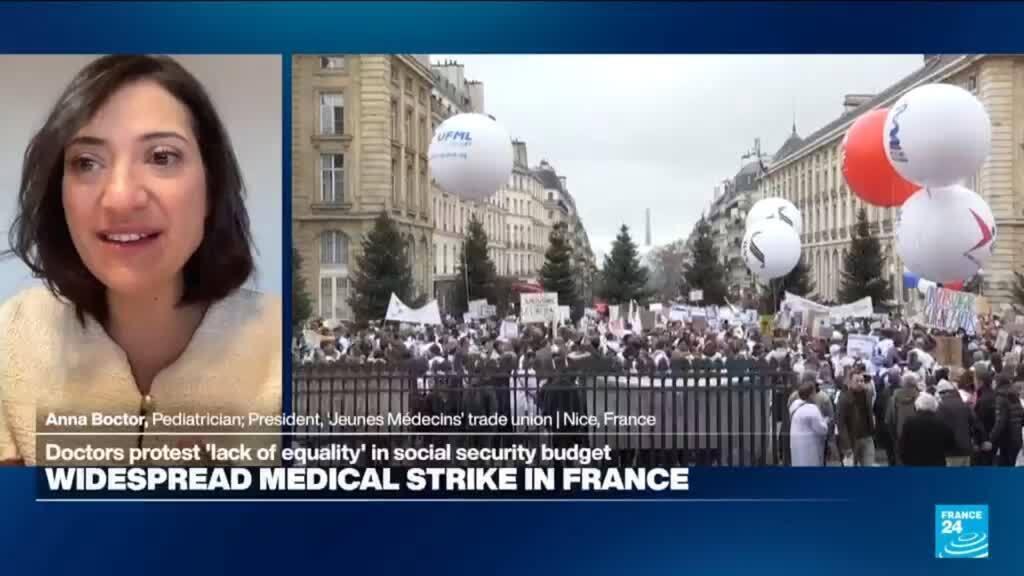
French doctors are currently on strike due to disagreements over the social security financing law for 2026. This strike highlights significant concerns within the healthcare system of a country renowned for its universal health coverage.
The Core Issue
At the heart of the dispute is a proposed change in how medical treatments are reimbursed. The new law conditions reimbursements based on who prescribes the treatment rather than the medical necessity of the treatment itself. This shift raises serious questions about the autonomy of medical professionals, the overall strategy for public health, and the accountability of the healthcare system to the public.
Impact on Medical Autonomy
The change in reimbursement policy could significantly impact the autonomy of doctors to make medical decisions. By tying reimbursements to the prescriber rather than the prescription, there’s a risk that medical decisions could be influenced by factors other than the best interest of the patient. This challenges the fundamental principle of medical practice, where treatments should be based on medical necessity and the well-being of the patient.
Public Health Strategy
The proposed law also has implications for public health strategy. Conditioning reimbursements on the prescriber could lead to inequalities in access to healthcare services. Certain groups of patients might find it more difficult to access necessary treatments if their healthcare providers are not favored under the new reimbursement system. This could exacerbate existing health disparities and undermine the goal of providing universal, equitable healthcare.
Democratic Accountability
Furthermore, the law signals an authoritarian trend in health governance. By giving more control over medical decisions to administrative bodies rather than medical professionals, it reduces the democratic accountability of the healthcare system. Patients and their advocates may find it more challenging to ensure that healthcare policies serve the public interest, as decisions become more centralized and less responsive to community needs.
Conclusion
The strike by French doctors is not just a labor dispute; it represents a deeper concern about the direction of healthcare policy in France. The issues at stake—medical autonomy, public health strategy, and democratic accountability—are fundamental to the provision of quality, equitable healthcare. As the situation unfolds, it will be crucial to balance the need for efficient healthcare financing with the principles of medical ethics and democratic governance.
