

Introduction to Germany’s Digital Problem
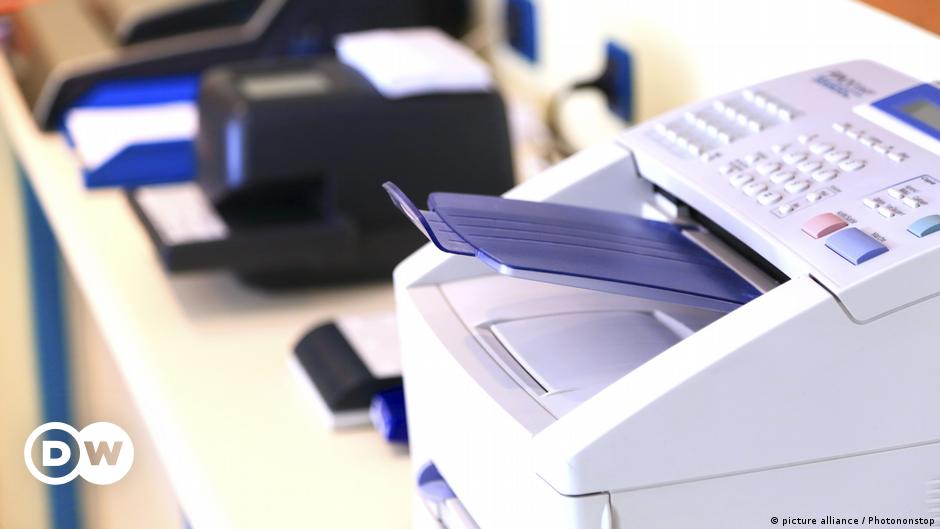
Germany is facing a significant issue with its digital development, particularly in the public sector. Despite being a technologically advanced country, Germany is lagging behind in terms of digital public services. The process of registering a new address, for instance, often requires individuals to visit city hall, wait for an appointment, and fill out paper forms. Even in 2025, some apps rely on fax machines to send important documents, such as health insurance cards.
The Prevalence of Fax Machines in Germany
According to Felix Lesner from Bitkom, the German IT industry association, around 77% of German companies still use fax machines, with 25% using them frequently. The primary reason for this is the need to communicate with authorities, which often rely on outdated systems. This highlights a significant problem in Germany’s digital development, particularly in the public sector.
Falling Behind in Digital Development
The European Union regularly publishes rankings on the digital development of its member states, and Germany consistently ranks somewhere in the middle. The country is particularly lagging behind in terms of e-government, or digital public services. A study by the consulting firm CapGemini ranked Germany 24th within the European Union. Despite being the birthplace of innovators like Konrad Zuse, who invented the world’s first programmable computer, Germany is struggling to adapt to the digital age.
Institutional Inflation and Lack of Coordination
Germany’s federal government structure, with 16 states, often leads to a lack of coordination and what researcher Stefanie Köhl calls "institutional inflation." Every city has to find its own solution for nationwide processes, such as vehicle registration, resulting in a lack of compatibility between technologies. This makes it challenging to create seamless digital services across multiple agencies.
Denmark: A Digital Wonderland
In contrast, Denmark has made significant strides in digital development. The country’s online portal, Borger.dk, offers citizens access to over 2,000 public services on a digital platform. Almost everything, from taxes to healthcare, is online. The key to Denmark’s success is a mandatory digital ID card, or eID, which 97% of the adult population possesses. This has enabled the creation of seamless services across multiple agencies, with 83% of citizens using their eID at least once a week.
India’s Electronic ID System
India has also made significant progress in digital development, particularly with its electronic ID system, Aadhaar. Introduced just 15 years ago, Aadhaar is now used by 99.9% of the population. The system is linked to a digital payment platform called Unified Payment Interface, which even street vendors accept as payment. This has enabled India to accelerate its progress, with nearly 80% of the adult population having bank accounts. Without Aadhaar and UPI, it would have taken India 48 years to reach the current level of bank account penetration.
The Need for Digital Infrastructure
Better digital infrastructure and an ecosystem of digital services could also boost economic growth in countries like Germany. As Tej Paul Bhatla of India’s largest IT company TCS noted, digital infrastructure is essential for progress, and without it, countries will experience threats from other economies, making life more difficult. Germany needs to invest in digital infrastructure and create a more coordinated approach to digital development to avoid falling further behind.
