

Economic Growth in Germany
According to several economic forecasts, the return of economic growth in Germany in 2026 is likely to be slower and weaker than previously assumed. Europe’s former economic power is in the midst of a sustained economic downturn. It has been in recession since the end of 2022, and only modest growth of around 0.1% is expected for 2025.
Current Economic Situation
While many economists expect stronger growth to return in 2026, hopes for a quick recovery are fading amid doubts about Berlin’s planned investment offensive. Before Christmas, the Bundesbank lowered its growth forecast for 2026 to 0.6%, after forecasting 0.7% in June. However, the central bank raised the 2027 forecast to 1.3% and predicted that the pace of economic activity would accelerate from the second quarter of 2026.
Challenges Facing the German Economy
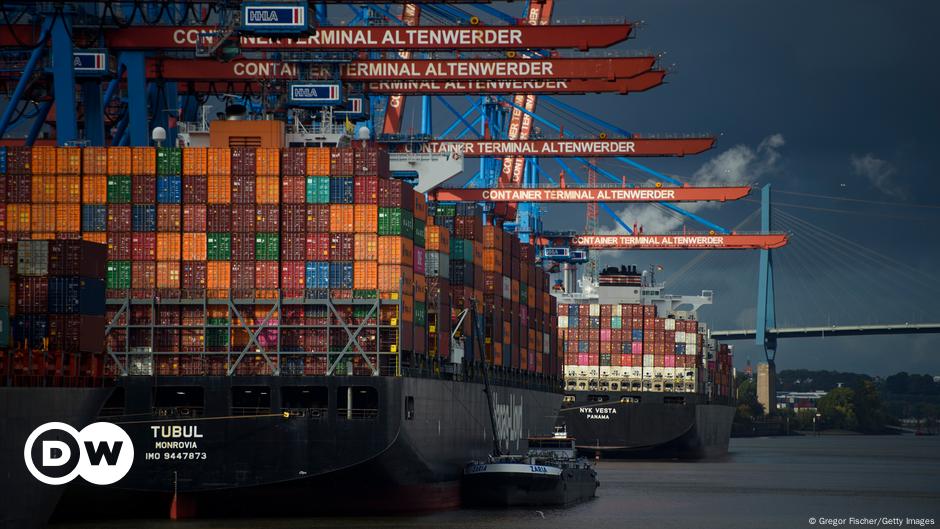
The German economy has been hit on several fronts in recent years. The Russian invasion of Ukraine demonstrated an over-reliance on Russian gas, and moving away from it was costly and challenging. Meanwhile, Germany’s export-focused model has been threatened by U.S. tariffs and a shift in geopolitical relations with China, which for years was Germany’s top market. Beijing now also competes – and beats – Germany in several sectors for which it was once a willing market, particularly automobile manufacturing.
Massive Government Spending Promise
The German government has promised to launch an extensive credit and investment offensive. The plan is to invest up to a trillion euros in defense and infrastructure over the next decade. However, there are still doubts about the effectiveness of the spending in Germany and beyond. The five-member Advisory Council on the German Economy has given a gloomy assessment of the country’s growth prospects and issued a warning about its spending plans.
Impact of Government Spending
Many economic forecasts for 2026 depend on the possible success of the 1 trillion euro plan. The Bundesbank President expects growth to pick up from the second quarter of 2026, “driven mainly by government spending and a revival of exports.” However, Deutsche Bank casts doubt on the speed of implementation of the spending spree and whether it will have a lasting impact on GDP growth.
Working Days and Economic Growth
A potential growth spurt in 2026 concerns an increase in working days. According to the country’s statistics office, workers in Germany will have an average of 250.5 working days in 2026, an increase of 2.4 days compared to 2025. The increase could amount to 0.3% of German GDP in 2026, but this is not an indication of a long-term trend.
Debt Worries
For the period after 2026, there is an area of ongoing doubt about Germany’s debt. The Advisory Council on Macroeconomic Development warned that national debt could rise to 85% of GDP by 2035, up from 63% this year. If growth opportunities are missed, “the long-term debt sustainability of the German state could be at risk.” The German state’s new debt will exceed 180 billion euros in 2026, which represents more than 4% of GDP.
