

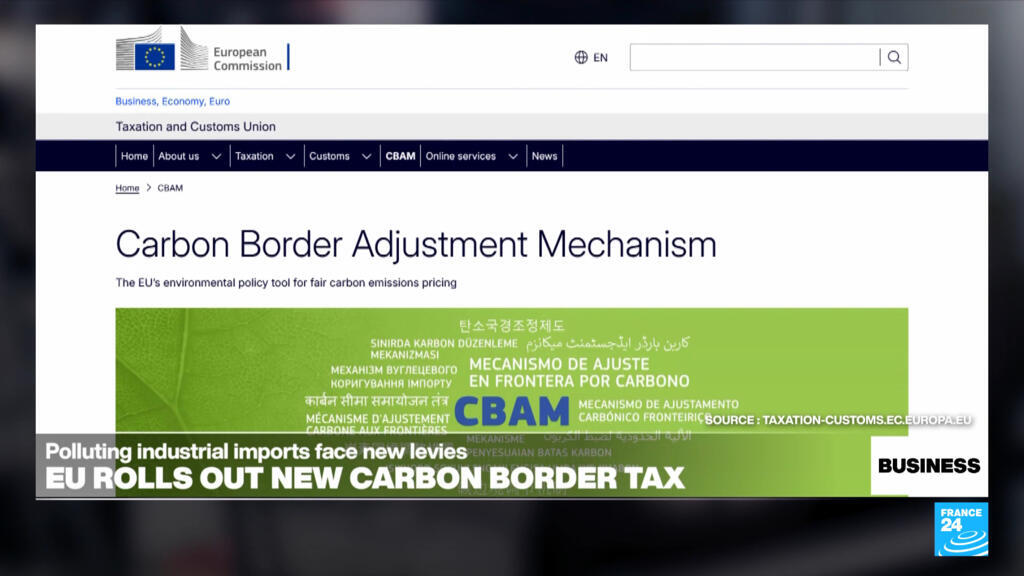
Introduction to New EU Rules
The European Union has introduced new rules aimed at reducing the environmental impact of industrial imports. These rules, which came into effect on January 1st, mark the end of a two-year transition period. The new regulations target heavy goods such as steel, aluminum, and cement, imposing a fee based on the amount of CO2 emitted during their production.
Impact on Industrial Imports
The introduction of these rules is expected to significantly impact industries that rely heavily on the importation of these goods. Companies will now need to factor in the additional cost of the CO2 fee when importing steel, aluminum, and cement from countries with less stringent environmental regulations. This move is part of the EU’s broader strategy to reduce its carbon footprint and promote more sustainable practices across its supply chains.
Reaction from Beijing
Beijing has issued a statement criticizing the EU’s new rules, claiming they unfairly target Chinese goods. China is a major exporter of steel, aluminum, and cement, and the new regulations are likely to affect its trade with the EU. The statement reflects concerns that the rules may disrupt trade flows and impact China’s economic interests.
Environmental Considerations
At the heart of the EU’s decision is the desire to reduce the environmental harm caused by industrial activities. By imposing a fee on CO2 emissions related to the production of certain goods, the EU aims to incentivize companies to adopt cleaner production methods. This approach is part of a global trend towards greater environmental accountability and the implementation of policies that support sustainable development.
Global Implications
The EU’s new rules on environmentally harmful industrial imports have global implications. They set a precedent for other regions to consider similar measures, potentially leading to a more level playing field in terms of environmental standards. As the world moves towards a more sustainable future, the impact of these rules will be closely watched, with potential ramifications for international trade and environmental policies worldwide.
