

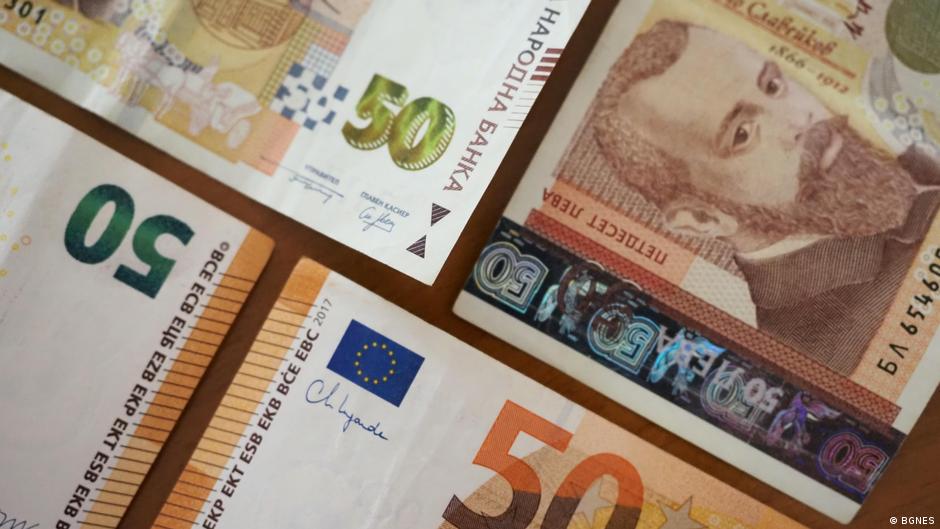
Introduction to the Eurozone
Bulgaria is expected to adopt the euro on January 1, 2026, making it the 21st member state of the eurozone. Joining the currency club marks an important milestone for the Eastern European country, which joined the European Union in 2007. Bulgaria’s accession leaves only six of the 27 EU countries outside the monetary union: Sweden, Poland, the Czech Republic, Hungary, Romania, and Denmark.
Benefits of Joining the Eurozone
The euro is “not just a currency, but a strategic choice” that strengthens Bulgaria’s position in Europe. Bulgarian Prime Minister Rosen Zhelyazkov said that the introduction of the euro "strengthens Bulgaria’s economic fundamentals, strengthens its resilience to global shocks and strengthens its voice in decision-making in the euro area." Christine Lagarde, President of the European Central Bank, also stated that the introduction of the euro "strengthens Bulgaria’s economic fundamentals, strengthens its resilience to global shocks and strengthens its voice in decision-making in the euro area."
Economic Development in Bulgaria
Bulgaria’s national currency, the lev, has been pegged to the euro since its introduction in 1999. Sofia officially began the process of joining the currency bloc in 2018, and the lev was then included in the European Exchange Rate Mechanism in July 2020. The European Commission and euro area finance ministers gave the green light to the country’s application to join the euro zone at the beginning of the year. Joining the euro area shows how the Bulgarian economy has improved over the last decade. Macroeconomic indicators remain stable, with inflation currently at around 2.8%, compared to around 13% in 2022.
Challenges Facing Bulgaria
However, Bulgaria still has a lot of catching up to do in terms of structure and performance. The income level in Bulgaria is also only 59% of the EU average. Experts warn that the Bulgarian government is loosening its purse strings and spending too much after the introduction of the euro. “The main risk is that after joining the euro, the budget restrictions will be viewed as less binding by the political system and deficits could grow,” said Guntram Wolff, an expert on euro area fiscal policy at the European economic think tank Bruegel.
Political Unrest
At the same time, political instability poses a major challenge. Public anger and frustration has grown in recent months due to economic mismanagement and rampant corruption. Bulgaria – one of the poorest in the EU – is among the most corrupt countries in the bloc, according to Transparency International’s Corruption Perceptions Index. The Balkan country of 6.4 million people has already held seven parliamentary elections since 2021 – and more elections could take place in the coming months.
Public Opinion on the Euro
Polls also show that Bulgarians are divided over the introduction of the euro. Proponents of the common currency say it will, among other things, increase the flow of foreign investment into the country, eliminate exchange rate costs and lead to greater integration into the EU’s single market. However, skeptics fear an increase in inflation as the prices of goods and services will be switched from the national currency Lev to the euro after the currency switch. Some also fear losing control of monetary policy to the European Central Bank in Frankfurt.
Conclusion
Despite the challenges and concerns, Bulgaria’s entry into the eurozone is expected to strengthen the country’s economy and position in Europe. However, it is crucial for the government to address the concerns of the public and ensure that the introduction of the euro is beneficial for all Bulgarians. By joining the euro, Bulgaria will be more anchored in Western Europe – strengthening the European Union. It will be imperative to step up efforts to combat Russian hybrid warfare and step up the fight against corruption.
