

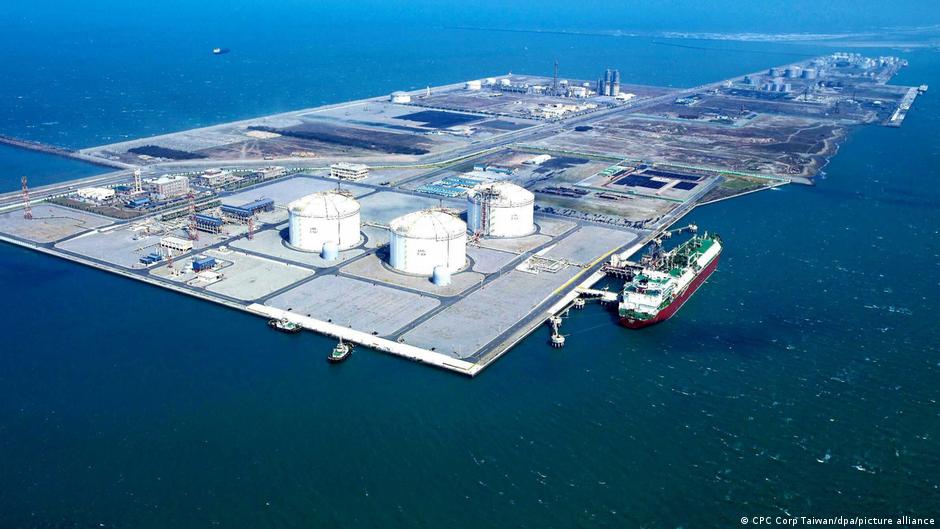
Introduction to Taiwan’s Naphtha Imports
Trade data suggests that volumes of Russian naphtha, a refined crude oil product flowing into Taiwan, remain stable despite Taipei’s announcement that it will reduce volumes. A report published in October by the Helsinki Center for Research on Energy and Clean Air (CREA) found that Taiwan has become the world’s largest importer of the fossil fuel derivative from Russia.
Current State of Naphtha Imports
Ciaran Tyler, senior naphtha research analyst at Brussels-based commodity data analytics firm Kpler, said Taiwan’s imports of Russian-sourced naphtha have not declined significantly, although they said they would not renew contracts to buy the product. Kpler data shows that the volumes of naphtha imported from Russia by Formosa Petrochemical Corporation (FPCC) – the Taiwanese company almost entirely responsible for the increase in naphtha imports – remained stable in November and December.
Impact on Taiwan’s Semiconductor Industry
Naphtha is needed to produce chemicals needed for high-tech manufacturing, including semiconductor manufacturing. Luke Wickenden, one of the co-authors of the CREA report, said, "It’s essentially a base raw material for making all kinds of chemicals that fund the semiconductor industry. It’s an incredibly important chemical."
Taiwan’s Energy Mix
Currently, more than 80% of Taiwan’s energy is powered by imported coal and LNG, although the share of coal is gradually decreasing and renewable energy is taking part of the share. Around 97% of Taiwan’s energy is imported. Jheng Rui-he says Taiwan’s reliance on fuel imports means it faces "significant geopolitical risks."
Coal Imports
Coal was also a focus of the CREA report. It noted that Taiwan had largely succeeded in reducing Russia’s dependence on coal, as imports of the fossil fuel from Russia fell 67% in the first six months of 2025 compared to the same period in 2024. Taiwan actually became the fifth largest buyer of Russian coal during the war.
Refined Products Continue to be the Focus
Aside from coal, Taiwan still imports small amounts of LNG from Russia, but overall it does not currently appear vulnerable to coercion from Moscow or Beijing. Luke Wickenden believes that while Taiwan is a positive example of how to restrict energy flows from Russia, the European Union must maintain and increase pressure, particularly on refined Russian oil products.
EU Sanctions on Refined Exports from Russia
The EU recently stepped up sanctions on refined exports from Russia. It has called on traders and operators to introduce due diligence procedures to limit the risks of importing products made from Russian crude oil into the EU. The bloc has placed particular emphasis on goods from Turkey, China, and India as these countries have recently purchased high volumes of Russian crude.
Challenges in Implementing Sanctions
However, the EU itself has pointed out that oil cannot be physically separated after blending and “it is impossible to certify the origin of all crude oil molecules imported into the EU.” Wickenden believes the language and legislation surrounding direct imports of refined products, such as those that have been the focus in Taiwan, are still not strict enough.
