

Introduction to PFAS Ban
A significant ban on the production and sale of PFAS chemicals, commonly referred to as “forever chemicals” due to their slow breakdown rate, has come into effect. This ban is set to impact a broad spectrum of products, including cosmetics and clothing, and introduces stricter regulations on the monitoring of drinking water quality.
What are PFAS Chemicals?
PFAS, or per- and polyfluoroalkyl substances, are a group of chemicals that have been widely used in various consumer products due to their unique properties, such as water and oil resistance. However, their persistence in the environment and potential health risks have raised significant concerns, leading to regulatory actions worldwide.
Impact on Cosmetics and Clothing
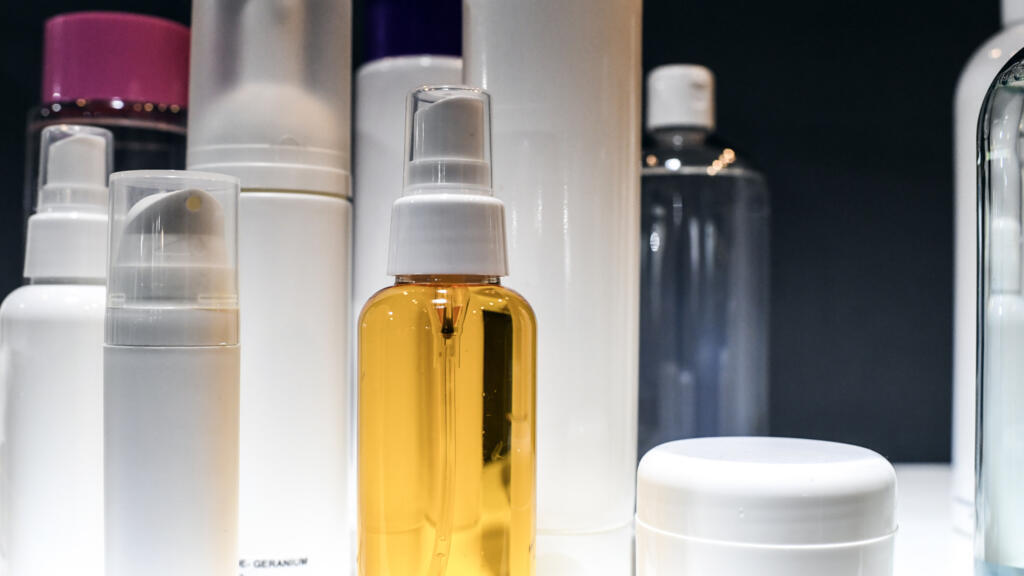
The ban affects a wide range of cosmetics and clothing items that contain PFAS. These chemicals have been used in products like makeup, skincare, and waterproof clothing due to their ability to repel water and oil. The ban aims to reduce human exposure to these substances, which have been linked to various health issues.
Drinking Water Regulations
In addition to the ban on products containing PFAS, French authorities are now required to regularly test drinking water for all types of PFAS. This measure is crucial for ensuring the safety of the water supply, as PFAS can contaminate water sources and pose health risks to consumers. Regular testing will help in the early detection of PFAS contamination, enabling prompt action to protect public health.
Implementation and Enforcement
The effective implementation and enforcement of the ban are critical to its success. This includes monitoring the production and sale of banned substances, as well as the regular testing of drinking water. The ban marks a significant step towards reducing the environmental and health impacts of PFAS and sets a precedent for other countries to follow in regulating these harmful substances.
Conclusion
The ban on PFAS chemicals in France represents a significant move towards a safer and more sustainable future. By addressing the production, sale, and environmental impact of these substances, the ban aims to protect both public health and the environment. As concerns over PFAS continue to grow globally, such regulatory actions will play a crucial role in mitigating their harmful effects.
