

Introduction to Artificial Light Pollution
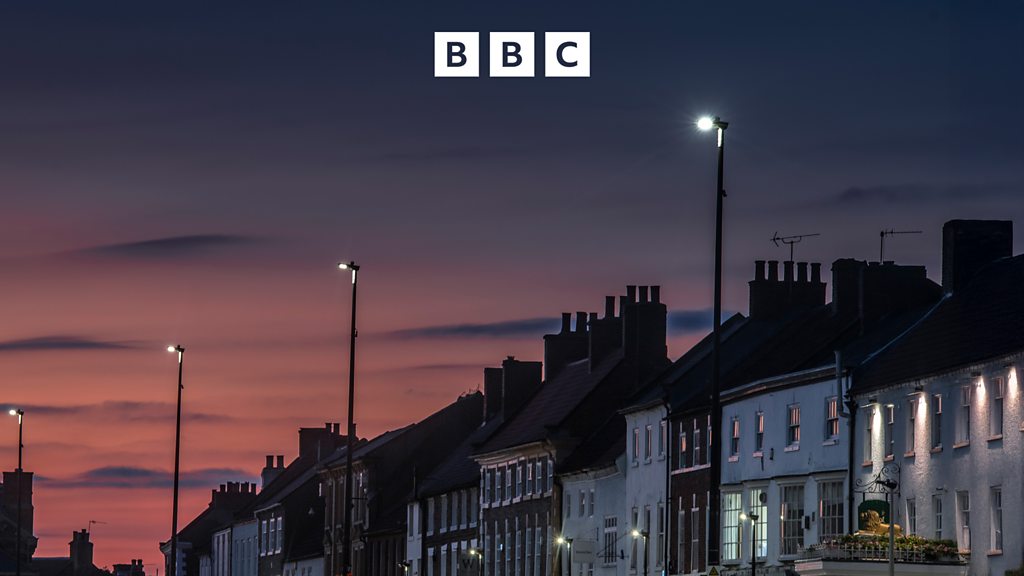
The future looks bright, thanks to increasing artificial light pollution. Our cities are more lit than ever, and this light could spill over into our lives and impact our health. Recent headlines linking exposure to artificial light at night to Alzheimer’s disease have caught attention.
History of Artificial Light
For millennia, the use of light – from flames to gas lamps to LEDs – has been crucial to enabling advances in our progress. The intertwined history between humans and artificial light, and our deep-rooted feelings towards darkness, may have contributed to our cities being overlit.
Effects of Artificial Light on Human Health
Professor of circadian neuroscience at the University of Oxford, explains how artificial light at night has allowed us to defy our biological rhythms – and the health consequences of this. Initial studies are beginning to give us clues about the effects of artificial light on human health. However, nighttime lighting levels continue to increase.
Reducing Artificial Light Pollution
Some are hoping to buck the trend. Newly installed "Dark Skies-friendly" street lights that save on both bills and skylight are being introduced. A project to improve university lighting, which could serve as a template for becoming the UK’s first dark-sky-ready city, is also underway.
Safety and Artificial Light
The change in the lighting landscapes of our cities must be reconciled with citizens’ perception of safety. Research into creating safer spaces for women and girls in city parks and the role lighting plays in making these areas more accessible is being conducted. The role of lighting in making cities safer is a crucial aspect of reducing artificial light pollution.
Conclusion
Could simply living in our increasingly bright urban environments be affecting our health? As research progresses, it is essential to consider the impact of artificial light pollution on human health and take steps to reduce it. By introducing "Dark Skies-friendly" street lights and improving university lighting, we can work towards creating a healthier and more sustainable environment.
