

Introduction to the Roundup Lawsuits
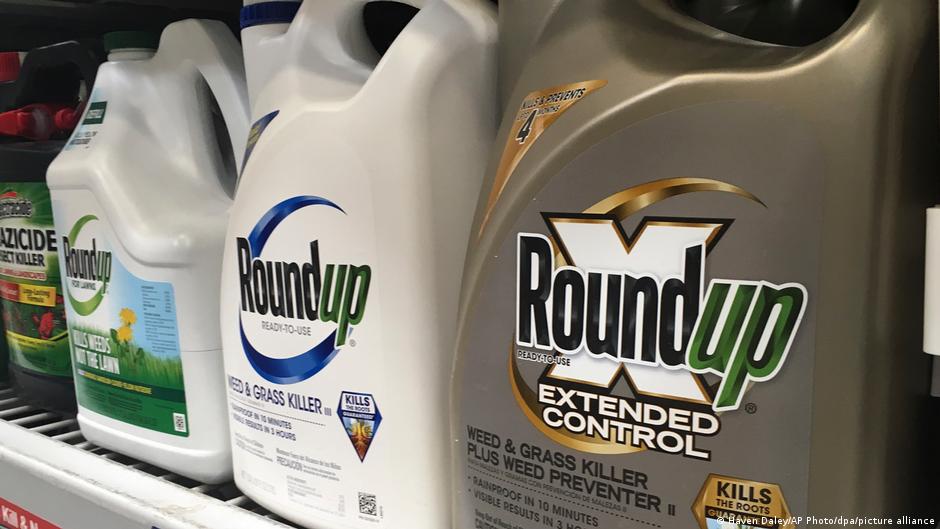
The long-running legal battle over Bayer’s weedkiller Roundup has seen nearly 200,000 cancer lawsuits filed in U.S. courts over the past seven years and is now becoming a political tug-of-war. In previous Roundup lawsuits, the U.S. Department of Justice under former President Joe Biden had argued that consumers should be allowed to sue for damages against the German chemical giant, with most of the suits involving non-Hodgkin’s lymphoma after long-term exposure to the pesticide.
Change in Government Stance
However, earlier this month, President Donald Trump’s administration changed course. After the U.S. Supreme Court sought the attorney general’s opinion, the Justice Department sided with Bayer and called for a cap on the tens of thousands of outstanding claims. Bayer has already paid around $10 billion to settle controversial cancer lawsuits in the United States. In July, the company said it would set aside another 1.2 billion euros, much of it for compensation.
Acquisition of Roundup
Bayer acquired Roundup in 2018 as part of its $63 billion purchase of Monsanto, the U.S. agricultural giant best known for genetically modified seeds and controversial agrochemicals. Biden’s Justice Department had argued that federal pesticide law does not protect Bayer from lawsuits in state courts because liability and consumer protection are traditionally the responsibility of individual states.
State Versus Federal Battle
Plaintiffs ranging from farmers to home gardeners filed lawsuits under their own state laws, alleging that Roundup’s active ingredient glyphosate causes cancer and that Bayer failed to provide adequate warnings. U.S. federal law sets national standards for pesticide approval but does not abrogate states’ public safety authority. Even if glyphosate was approved by the federal regulator, the Environmental Protection Agency (EPA), people could still sue if they believed Bayer’s labeling was misleading.
Lawsuits Burden on the Industry
In contrast, the Trump administration has now asked the Supreme Court to accept Bayer’s argument that federal law preempts such lawsuits, effectively limiting the scope for the 65,000 remaining plaintiffs. Proponents of federal preemption say it creates uniform national rules for pesticide labeling, avoids confusion caused by different state requirements and supports the EPA’s central role in regulating safety.
Criticism of Trump’s Position
Trump’s team has also recast the Roundup litigation as an unnecessary drag on business, exposing Bayer to massive, unforeseeable liabilities even if the EPA has approved its products. Critics denounced Trump’s position as pushing corporate agendas at the expense of justice for the large number of plaintiffs, many of whom report terminal or severely disabling illnesses.
Bayer’s Push for Resolution
Bayer has been lobbying U.S. lawmakers over the mass lawsuits, asking Supreme Court justices to review a Missouri court ruling that upheld a $1.25 million jury award to John Durnell, who claimed his non-Hodgkin’s lymphoma was caused by exposure to the weedkiller. The German pharmaceutical and biotechnology giant has cited decades of studies showing that Roundup is safe for human use.
Potential Impact on Future Claims
The US Supreme Court justices must now decide whether to hear Bayer’s petition. If accepted, a ruling by mid-2026 will decide whether the German company will receive comprehensive legal protection. Mary J. Davis, dean at the University of Kentucky Rosenberg College of Law, said the court was reflecting on its own decision from 20 years ago on federal pesticide law.
Implications of the Supreme Court Ruling
A positive ruling could potentially save the company billions of dollars in outstanding claims. It could also make it more difficult for consumers to sue over harmful products and greatly limit their claims for damages. The Roundup lawsuits could prove to be "just the beginning" of a broader wave of litigation against the agri-food sector. Climate litigation has so far primarily targeted the energy transition, with fossil fuel companies in the firing line.
Future Litigation
We can expect to see more litigation from the environmental movement, both on climate and biodiversity grounds and on human health grounds. The Bayer case is being closely watched in Europe, where the European Union has extended the approval of glyphosate until 2033 despite strong opposition from environmental groups. Some EU member states, including France and Austria, continue to push for stricter limits or outright bans.
