
The Struggle for Artistic Freedom in Georgia
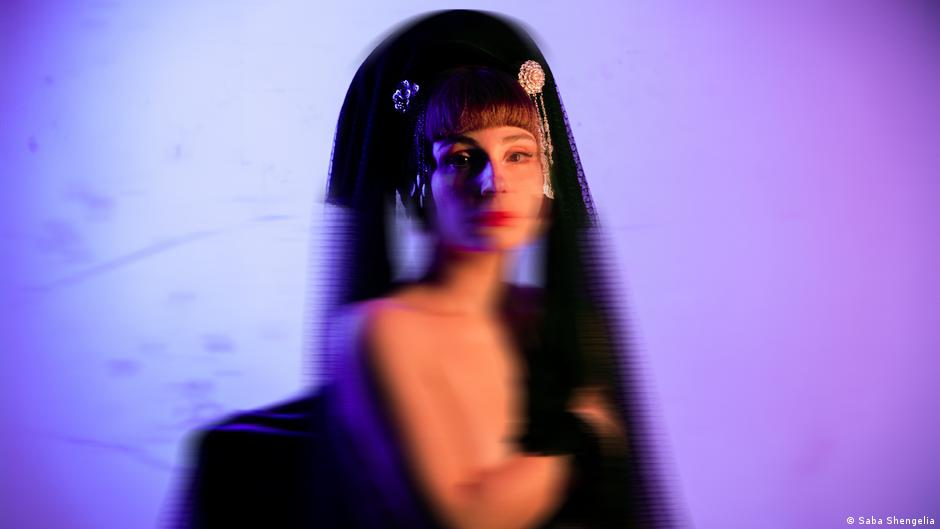
The Georgian government’s increasingly authoritarian stance has led to a stifling of artistic expression, with many artists feeling forced to choose between their craft and their commitment to the country’s struggle for freedom. Natuka Natsvlishvili, a 35-year-old musician and composer, has seen her passion for music wane in recent months. "I don’t feel like it," she says, citing her depression and sense of powerlessness in the face of the government’s repression.
A Year of Protests
The protests in Georgia began in May 2024, sparked by the introduction of the Foreign Agents Act, which enables authorities to take action against foundations, independent organizations, and media. The law has been used to silence dissenting voices and maintain a climate of impunity for human rights violations. The government’s response to the protests has been violent, with arrests and imprisonment of demonstrators becoming commonplace.
Artistic Expression Under Threat
The government’s actions have created a climate of fear among artists, who feel that their freedom of expression is being eroded. David Apakidze, a 27-year-old visual artist, says that "art is currently taking a back seat" as artists struggle to make ends meet and face uncertainty over funding. The Foreign Agents Act has made it complicated for artists to receive support from abroad, and many are dependent on international sponsors.
LGBTQ+ Rights Under Attack
Apakidze, who creates objects that combine elements of Orthodox Christianity with queer identity, has found himself doubly targeted by the government. A law passed in 2024 restricts the rights of sexual minorities and aims to end the "propaganda of same-sex relationships." Apakidze’s queer artist collective, Project Fungus, was forced to close due to the law, and he has faced hostile parliamentarians who have described his work as "disinformation and LGBTQ+ propaganda."
Fear and Solidarity
Many artists in Georgia are living in fear, unsure of what is considered "provocative" or what might spark a backlash from the authorities. Screenwriter Mariam Megvinyte has experienced this firsthand, with her theater collective facing hateful comments and insults on social media. She suspects that the authorities will make her life more difficult and is considering emigrating, but feels a sense of solidarity with the country’s political prisoners and is torn about leaving.
A Climate of Repression
The Georgian government’s actions have created a climate of repression, where artists feel forced to self-censor and are unsure of what is allowed. The situation has become so dire that many are questioning whether there is a future for art in the country. As Natsvlishvili says, "In the near future, there will be no place for art in this country. Free expression is no longer welcome."
