

The Rise of Facial Recognition Technology in Retail
The holiday season is upon us, and with it comes an increase in shoplifting incidents. Retailers are taking matters into their own hands, using facial recognition technology to catch perpetrators before they strike. This technology is being used by major retailers such as Sainsbury’s, Asda, Budgens, and Sports Direct, who have signed up to Facewatch, a cloud-based facial recognition security system.
How Facewatch Works
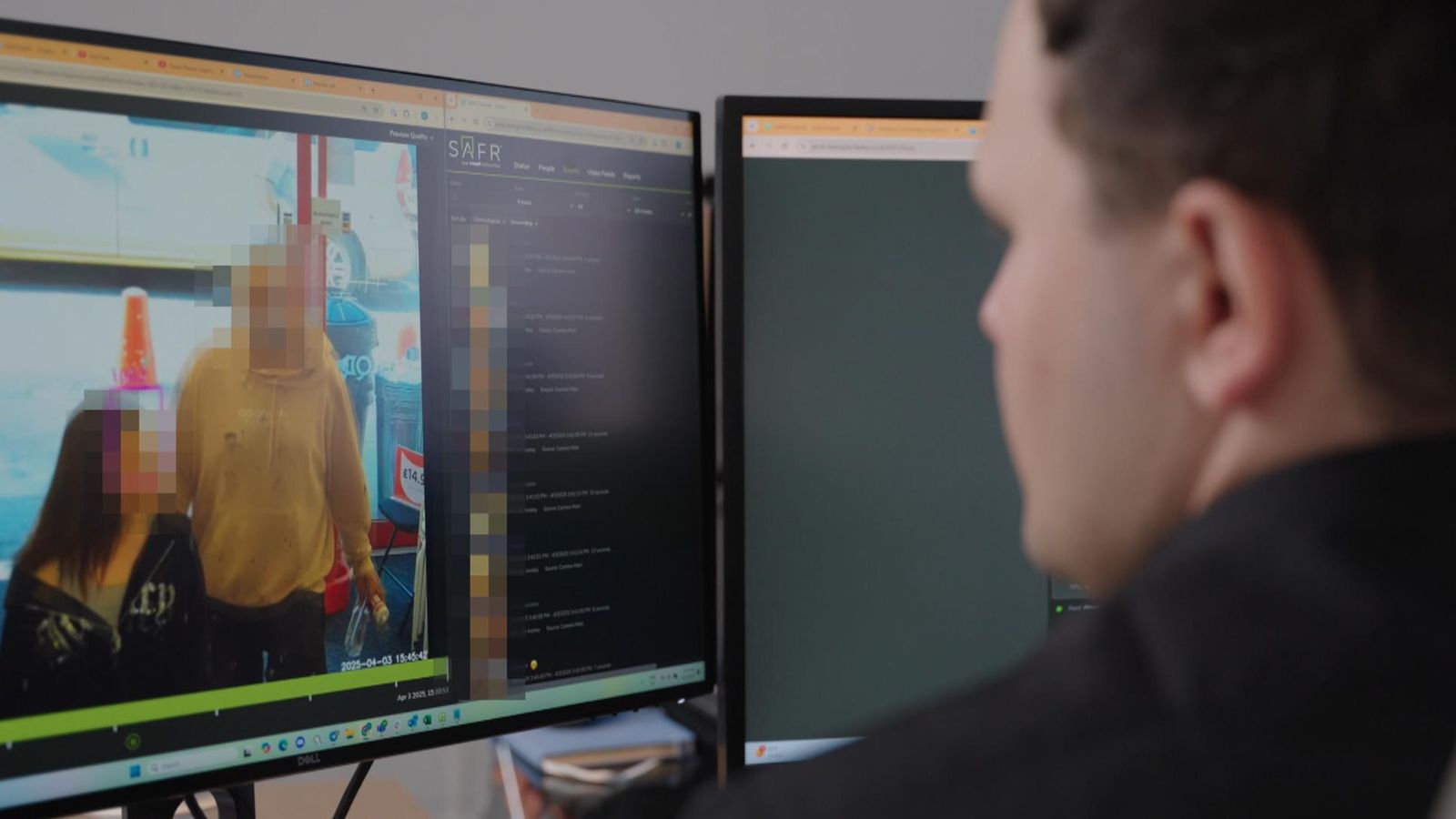
Facewatch scans faces as they enter a store, matching them against a database of known criminals. If a match is found, an alert is triggered, warning the business that a shoplifter has entered the premises. This technology is designed to help protect store colleagues from aggressive shoplifting and reduce the financial losses associated with it.
The Problem of Shoplifting
Shoplifting offenses have risen by 13% in the past year, with almost 530,000 incidents reported. Retailers are also reporting more than 2,000 cases of violence or abuse against their employees every day. As casualties and security concerns mount, companies are forced to take security into their own hands, as overstretched police forces can only respond to a fraction of incidents.
The Impact on Retailers
At Ruxley Manor Garden Center in south London, managing director James Evans reported that thefts had become more brazen and organized, with losses from shoplifting accounting for around 1.5% of sales. This may seem like a small percentage, but it represents a significant hit to the bottom line. Thousands of pounds worth of goods can be stolen in a single visit, and employees have had run-ins with shoplifters, including being threatened and intimidated.
Concerns Over Facial Recognition Technology
Civil rights groups have warned that the proliferation of facial recognition technology undermines our privacy. Silkie Carlo, director of Big Brother Watch, called it "a very dangerous kind of privatized police industry." The organization regularly receives messages from people who say they have been falsely targeted, including Rennea Nelson, who was falsely reported as a shoplifter at a B&M store after being mistakenly included in the facial recognition database.
The Backlash Against Facial Recognition Technology
Critics argue that this technology is a misuse of personal data and privacy. Facewatch CEO Nick Fisher said the backlash was disproportionate, and that the technology is designed to be used responsibly and proportionately. However, there is clearly widespread unease, if not anger, about the spread of this technology. Companies are aware of this, but the end result is decision-making, and many retailers believe that the benefits of facial recognition technology outweigh the concerns.
The Future of Facial Recognition Technology in Retail
As the use of facial recognition technology becomes more widespread, it is likely that we will see more retailers adopting this technology to combat shoplifting. While there are concerns over privacy and the potential for misuse, many retailers believe that the benefits of this technology make it a valuable tool in the fight against crime. As the technology continues to evolve, it will be important to ensure that it is used responsibly and with the necessary safeguards in place to protect individuals’ rights and privacy.
