

Introduction to the EU-Mercosur Trade Deal
The European Union’s planned trade deal with four Latin American countries, known as the Mercosur trade agreement, appeared to be at risk of further delay or possibly even failure. German Chancellor Friedrich Merz appealed to leaders to push through the deal, but French President Emmanuel Macron and Italian Prime Minister Giorgia Meloni expressed hesitation.
Opposition to the Deal
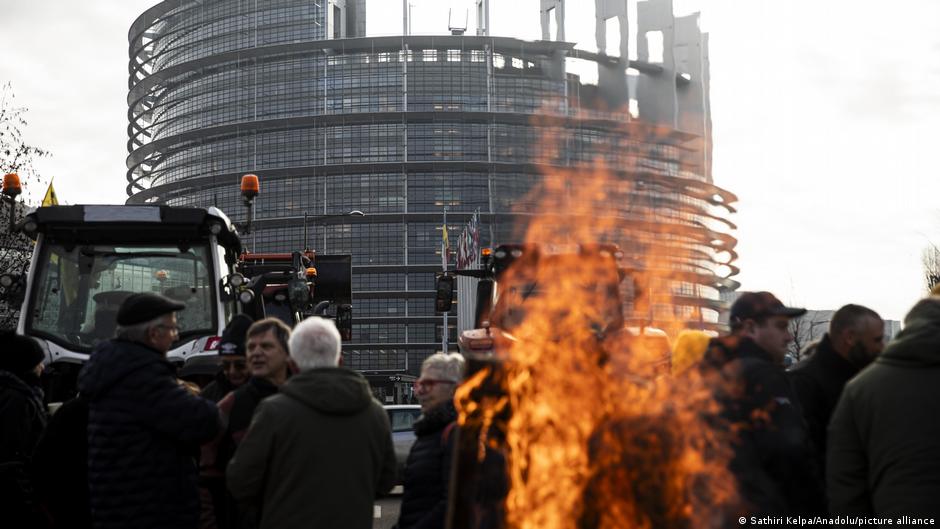
One of the groups most opposed to the proposed deal, French farmers, protested across the country, including in front of the European Parliament in Strasbourg. Meanwhile, across the Atlantic in Brazil, President Luiz Inácio “Lula” da Silva threatened that if the deal is not completed as planned this year, he will not consider doing so again during his time in office.
What is the EU-Mercosur Trade Agreement?
The agreement would allow freer trade between members of the EU and four of Mercosur’s largest members in several areas – Argentina, Brazil, Paraguay, and Uruguay. It was completed at the end of 2024 after 25 years of negotiations. The deal would allow the EU to export more vehicles, machinery, wine, and spirits to Latin America, while making it easier to import South American beef, sugar, rice, honey, and soybeans into Europe.
Benefits and Drawbacks
Proponents such as Germany, Spain, and Nordic countries argue it will help exports hit by US tariffs under Donald Trump and reduce dependence on China by easing access to minerals from Latin America. However, Italy, France, and Poland are among the countries that have expressed the most reservations about the proposal. Opposition has been particularly pronounced among farmers, who say easier imports into Europe could threaten their livelihoods.
The Road to Ratification
European Commission President Ursula von der Leyen was expected to fly to Brazil to ratify the agreement. However, this would require the consent of the heads of state and government of the EU member states. Opposition from at least four European leaders, representing at least 35% of the bloc’s population, would be enough to derail the deal.
Merz Calls for Action
Chancellor Friedrich Merz told the Bundestag in Berlin that the agreement would prove to be a way to “strengthen the European Union’s internal market.” He also pointed to the long-standing efforts to reach an agreement that began before the introduction of the euro currency and before the September 11 terrorist attacks in the United States.
Macron and Meloni Express Reservations
Italy, France, and Poland are among the countries that have expressed the most reservations about the proposal. French President Emmanuel Macron said that France would strongly oppose the agreement if the European authorities were willing to enforce it. Italian Prime Minister Giorgia Meloni raised the issue in her statement to Parliament, saying it was “premature” to conclude an agreement without taking further measures to protect the agricultural sector.
Lula’s Warning
In Brazil, President Luiz Inacio warned that he was not prepared to renegotiate terms at a later date if the deal and the planned signing ceremony in Foz do Iguacu failed. He said that Brazil and Mercosur had worked hard to accept the deal and "send a message at a time when a U.S. president is trying to weaken multilateralism." Lula argued that the deal was “cheaper for them than it was for us.”
