

Introduction to Germany’s Car Capitals
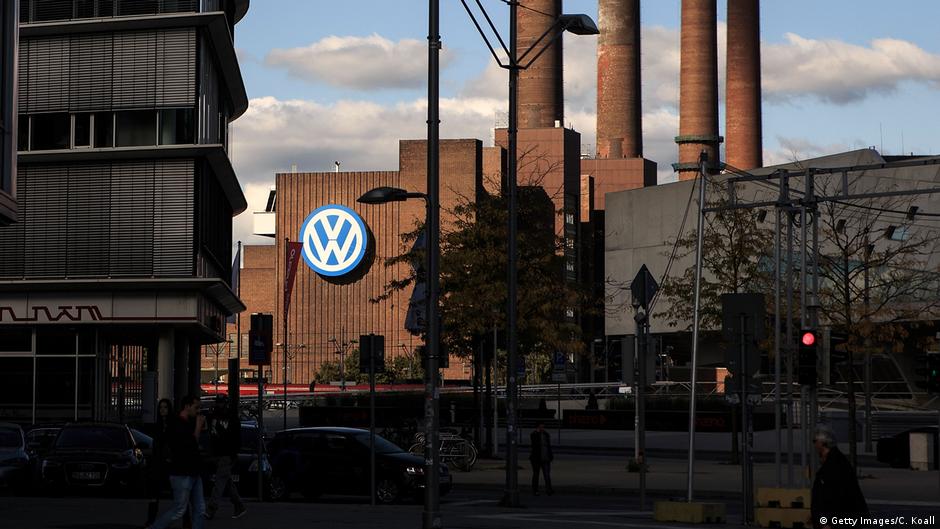
Germany’s car capitals, which were once among the wealthiest regions in Europe due to their global exports, are now facing tougher times. Cities like Wolfsburg, Ingolstadt, and Stuttgart, home to major automobile manufacturers such as Volkswagen, Audi, and Mercedes, are experiencing significant drops in tax revenue. This decline is a result of the struggles faced by their flagship companies, leading to a chaotic budget season.
Record Deficits
The pain extends beyond the auto industry, with cities across Germany facing growing deficits after years of deteriorating business conditions. Tougher competition and falling demand abroad have hurt exports, while higher energy and labor costs at home have squeezed margins. German cities rely heavily on trade taxes to finance their annual budgets, but tax revenues have slowed down, increasing at a pace that is outpaced by inflation.
Financial Crisis
The German Association of Cities has warned that total municipal deficits are expected to reach 30 billion euros in 2025, surpassing the previous year’s record deficit. Cities like Ingolstadt are expected to have tax revenue less than half of the original calculations, forcing city planners to continually update their calculations. Authorities are required by law to balance their budgets, causing them to postpone their planning until winter.
Reversal of Fate
Automakers enjoyed an export boom in the years before the COVID-19 pandemic, cementing Germany’s car cities as some of the wealthiest in the country and the continent. However, companies like Audi and Volkswagen have had problems in recent years, with sales in China being disappointing and shipments already down 10% year-on-year in the first half of 2025. The transition to electric vehicles and other related areas has also affected the suppliers in Ingolstadt, contributing to the overall picture.
Rethink the Budget
The communities are now scaling back the services that were expanded in the good years. Families in Friedrichshafen, who benefit from low childcare costs due to a unique profit-sharing structure with parts supplier ZF, will see a dramatic increase in childcare fees. The latest budget will double monthly costs for children over three and triple for children under three by 2026. This change will hit families hard, as many people in Friedrichshafen have accepted high rents because they offset the costs of childcare.
Conclusion
The change in the automotive industry will put certain cities to a tough test, particularly the car cities that until recently had a very modern industry with good pay, good factories, and a big budget with lots of municipal services and a good quality of life. However, officials believe that these cities will find a way to adapt, with citizens’ initiatives already working to make up for part of the shortfall. While there will be spending cuts that residents will see and feel, the city’s prosperity is not in danger.
