

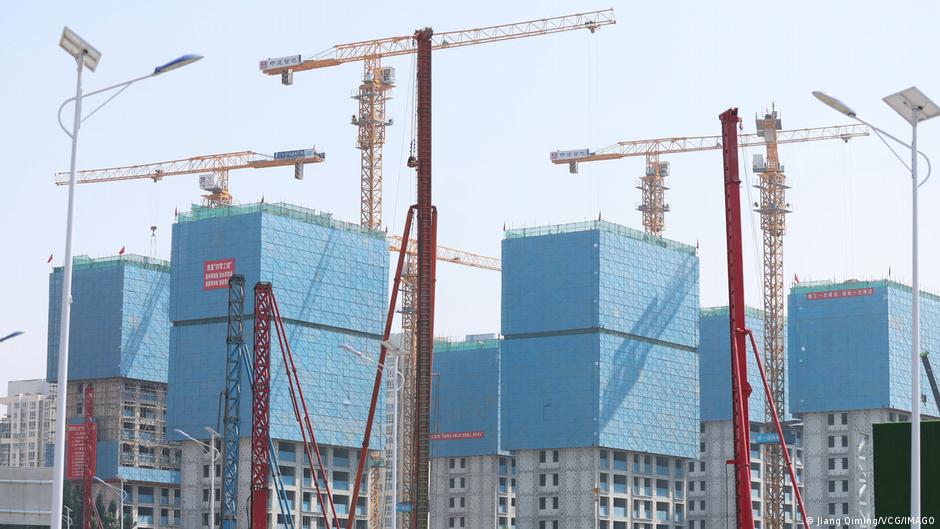
Introduction to China’s Real Estate Crisis
The bigger the boom, the deeper and longer the bust. After two decades of rapid growth, by 2020 China’s real estate bubble had driven home prices to more than 17 times average salaries. A perfect storm drove the boom, including reforms in 1998 that shifted housing construction from government provision to private ownership, the migration of nearly half a billion Chinese from rural areas to cities, and ample credit from state banks.
Causes of the Boom
Rapid construction transformed China’s skyline, families poured their savings into housing, and real estate speculation became the norm, helping millions of middle-class households feel richer and spend more. The tipping point came during the country’s first wave of COVID-19 lockdowns, when President Xi Jinping’s government introduced sweeping new rules on how much debt real estate developers can take on.
Consequences of the Bust
The result of the “three red lines” reforms was brutal. Real estate giants like Evergrande, Country Garden, and dozens of smaller companies defaulted on payments, and more than 70 developers either went bankrupt or had to rely on government bailouts to survive. More than five years later, the subsequent bankruptcy shows no signs of easing. According to Barclays, a British bank, more than $18 trillion in household wealth has disappeared as property values have collapsed.
Impact on the Economy
Meanwhile, construction activity – once a key driver of gross domestic product (GDP) – has collapsed so sharply that overall growth is now below Beijing’s targets. Real estate once accounted for up to a quarter of China’s GDP and helped keep growth in double digits for more than a decade in the 2000s and early 2010s. Since then, the slowdown has pushed economic growth down to around 5% last year – still impressive, but significantly lower than in the boom years because of the knock-on effects on the rest of the country.
Censorship of Private Property Data
In a sign of how delicate the downturn has become, Chinese officials last month asked private data providers to stop publishing home sales figures, cutting off one of the few independent insights into the real estate market’s current problems. The move followed a 42% year-on-year decline in new home sales by the top 100 developers in October, the sharpest monthly decline in 18 months.
Market Decline
Average house prices have fallen about 10% from their peak, with slowing demand for luxury properties leading to even steeper discounts. However, the worst impact was felt in Tier 2 and Tier 3 cities, including Chengdu and Dongguan, where values plunged by up to 30%. Experts believe the market could decline by as much as 50% to 85% before it stabilizes.
Half-Finished and Empty Apartments
Across China, the crash has led to half-finished projects, ghost towns, and millions of households trapped in negative equity. That sparked public anger and sporadic protests as shoppers hope Beijing will implement stimulus measures to boost demand. There is still a lot of oversupply – unsold homes and apartments for up to three to five years, especially in smaller cities.
Economic Growth Engine Disappearing
Real estate once accounted for up to a quarter of China’s GDP and helped keep growth in double digits for more than a decade in the 2000s and early 2010s. Since then, the slowdown has pushed economic growth down to around 5% last year – still impressive, but significantly lower than in the boom years because of the knock-on effects on the rest of the country. Steel and cement prices and production fall, employment and investments are weak – all collateral damage from the property crash.
Targeted Economic Stimulus
Beijing is eager to avoid another speculative bubble, so stimulus measures to support the property market have not been as generous as in previous downturns. The Chinese government intervened after the 2008 global financial crisis, the 2015 stock market crash, and during the pandemic. Many China watchers expect the government not to come to the rescue this time, but to allow property prices to fall gradually so that policymakers can prioritize stability and long-term restructuring over short-term stimulus measures.
Future of the Real Estate Market
Real estate accidents typically take about five years to occur. In the United States, after the housing crisis that began in 2007, it took until 2012 for prices to stabilize. In Spain, too, the collapse after 2008 dragged on for about five years before signs of recovery appeared. Japan’s post-bubble collapse of 1991 into the 2000s is often referred to as the longest housing crisis, with property values stagnating for more than a decade and never fully recovering to their pre-bubble peaks. Experts believe China’s real estate sector is on track for another "decade of negative or stagnant growth."
