

Introduction to the Issue
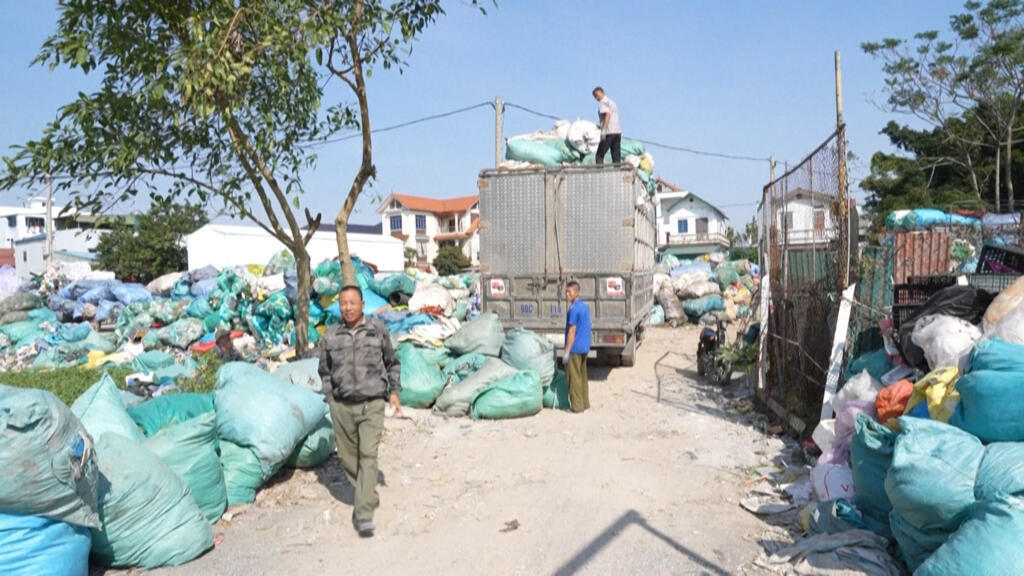
On the outskirts of a major city, some villages are facing a severe problem with garbage. The streets and homes are filled with waste, which is sorted by hand by the residents. This is not a matter of choice, but rather a necessity, as many of these individuals have no other means of work.
The Reality of Waste Management
The villagers are left to deal with the consequences of poor waste management. The garbage is not just a nuisance, but it also poses serious health risks. Although there is no clear connection established between cancer rates and plastic waste management, the practices in these villages are still considered dangerous.
Health Concerns
The lack of proper waste disposal and management is a significant concern. The United Nations has warned against these practices, citing the potential risks to human health. The villagers, however, have no alternative, and their livelihoods depend on sorting through the garbage.
Living Conditions
The living conditions in these villages are harsh. The air is filled with the smell of rotting waste, and the ground is littered with plastic and other non-biodegradable materials. The residents are exposed to toxic substances on a daily basis, which can have severe consequences for their health.
The Need for Change
There is a pressing need for change in these villages. The residents deserve better living conditions, and the environment needs to be protected. The government and international organizations must work together to implement proper waste management systems and provide alternative employment opportunities for the villagers.
Conclusion
The situation in these villages is a stark reminder of the need for effective waste management. The health and well-being of the residents are at risk, and it is essential that action is taken to address this issue. By working together, it is possible to create a safer and healthier environment for everyone.
