

Introduction to the Case
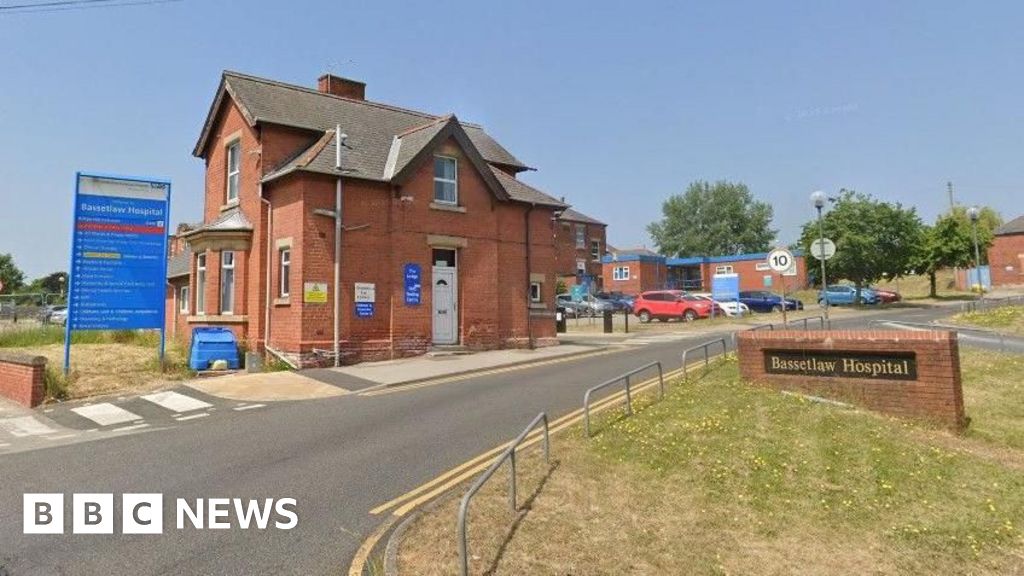
A 45-year-old disabled man, Graham, died of sepsis after not receiving the correct medication for 34 hours. His care has been described as a “pile of rubble” by his mother, Sylvia. Graham was admitted to Bassetlaw Hospital in Nottinghamshire in November 2022 with an infection. He suffered from an incurable disease called Alexander’s disease, which affects the nervous system.
Background and Medical History
Graham had been receiving regular treatment at Doncaster and Bassetlaw Teaching Hospitals NHS Foundation Trust for frequent infections. Although oral antibiotics were ineffective, he responded to intravenous medication. He had been taken to Bassetlaw Hospital several times for treatment.
Investigation and Findings
An investigation by the Parliamentary and Health Services Ombudsman (PHSO) found that doctors did not follow the advice of Graham’s mother, nursing home staff, or paramedics. They gave him antibiotics intravenously (IV) rather than orally, as this had not been confirmed in writing. The report concludes that Graham’s death was preventable and he could still be alive if he had been given the correct intravenous antibiotics beforehand.
Delays and Mistakes in Treatment
The PHSO investigation found that despite an email from the GP and a verbal consultation on the last admission, hospital staff decided to try an oral antibiotic, but the medication requested was not available. An intravenous antibiotic was not given to Graham until 34 hours after his arrival at the hospital, at half the dosage it should have been given. There was also a three-hour delay between the doctor requesting the medication and its administration.
Consequences of Delays
By the time a second dose of antibiotic was given, which was also delayed, Graham had become septic. He died a week later. Sylvia said: "It was a mess. I spoke to staff several times but was dismissed. For 34 hours his care was non-existent." She got the impression that he had been given at least some antibiotics, even if they weren’t the right ones, but to find out that he was in the hospital all this time without treatment was very difficult.
Poor Communication and Response
Sylvia said: “They had a duty to look after him, they were the professionals, but in the end he had no chance.” The PHSO can be contacted by anyone who is unhappy with the way organizations such as the NHS responded to their initial complaint. Managing director Rebecca Hilsenrath KC said: “The loss of a life due to sepsis should not be inevitable.” But we continue to see the same mistakes repeated, and complaints of sepsis have more than doubled in the last five years.
Apology and Action Plan
Sylvia confirmed that she had received a written apology, which she described as "like a form letter", but had not seen an action plan for the foundation to provide. Karen Jessop, senior nurse at the trust, said: “We are truly sorry for what happened in this case and for the loss suffered by the patient’s family.” Immediate action was taken to improve the way antibiotics were prescribed, escalated, and administered.
