

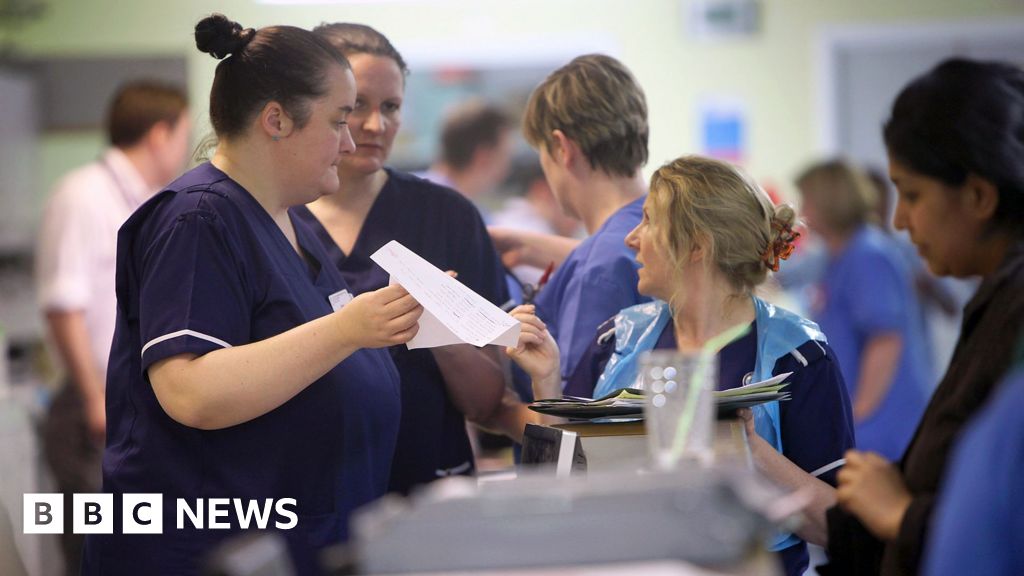
Access to Hospital Treatment Restricted in England
Access to hospital treatments is being restricted in many areas of England as the NHS struggles to balance its books. Regional health boards have ordered some hospitals to cut back on the number of patients they are seeing, meaning hundreds of thousands of patients could have to wait longer for treatment.
Rationing Measures
The rationing measures are being applied mainly to private firms doing NHS work, but multiple NHS hospitals are understood to be affected too. NHS managers said they were between a "rock and a hard place" trying to juggle balancing the books with tackling the hospital backlog, which currently stands at 7.4 million.
Government Priorities
Reducing waits for things like hip and knee operations and hitting the 18-week waiting time target is the government’s number one priority for the health service. However, documents seen by the BBC show integrated care boards, which are in charge of spending on behalf of NHS England, asking hospitals to make patients wait longer and reduce the numbers they treat until the end of the financial year.
Impact on Patients
One asked a private provider to reduce activity by nearly 30% and to make patients wait eight weeks longer, on average, while stopping taking on new referrals for a period as a way to cut back on the amount being done. A surgeon at a private hospital said all scheduled NHS operations for the coming weeks would have to be canceled and some patients would need to be given just a few days’ notice.
Restrictions on Hospitals
Regional health boards are using what are known as activity management plans to push individual hospitals into reducing the number of patients they see. They are predominantly being used when hospitals are treating more patients than expected. They can also be used to push hospitals into treating more when activity levels are below expected.
Estimated Impact
It is estimated the orders in place against the private hospitals that have reported so far could lead to 140,000 fewer patients starting treatment by the end of March. But given some NHS hospitals are affected and not all the restrictions placed on private hospitals are thought to have been declared, that could be an underestimate.
Reaction from Healthcare Providers
David Hare, of the Independent Healthcare Providers Network, said: "Given it is patient choice driving demand for treatment in the independent sector – and the scale of the challenge in getting NHS waiting lists down – we’ve been surprised by the extent of the proposed slowdown, which will leave significant amounts of available capacity going unused across both the independent sector and the NHS."
Concerns from Patients Association
Rachel Power, chief executive of the Patients Association, said: "These reports are deeply alarming and pose a serious risk to patients’ ability to access the treatment they urgently need. Calling it ‘activity management plans’ distracts from what this really is, another barrier standing between patients and timely care. It won’t just delay treatment – it will worsen conditions, reduce quality of life and lead to harm that could have been prevented."
