

Introduction to Winter Strawberries
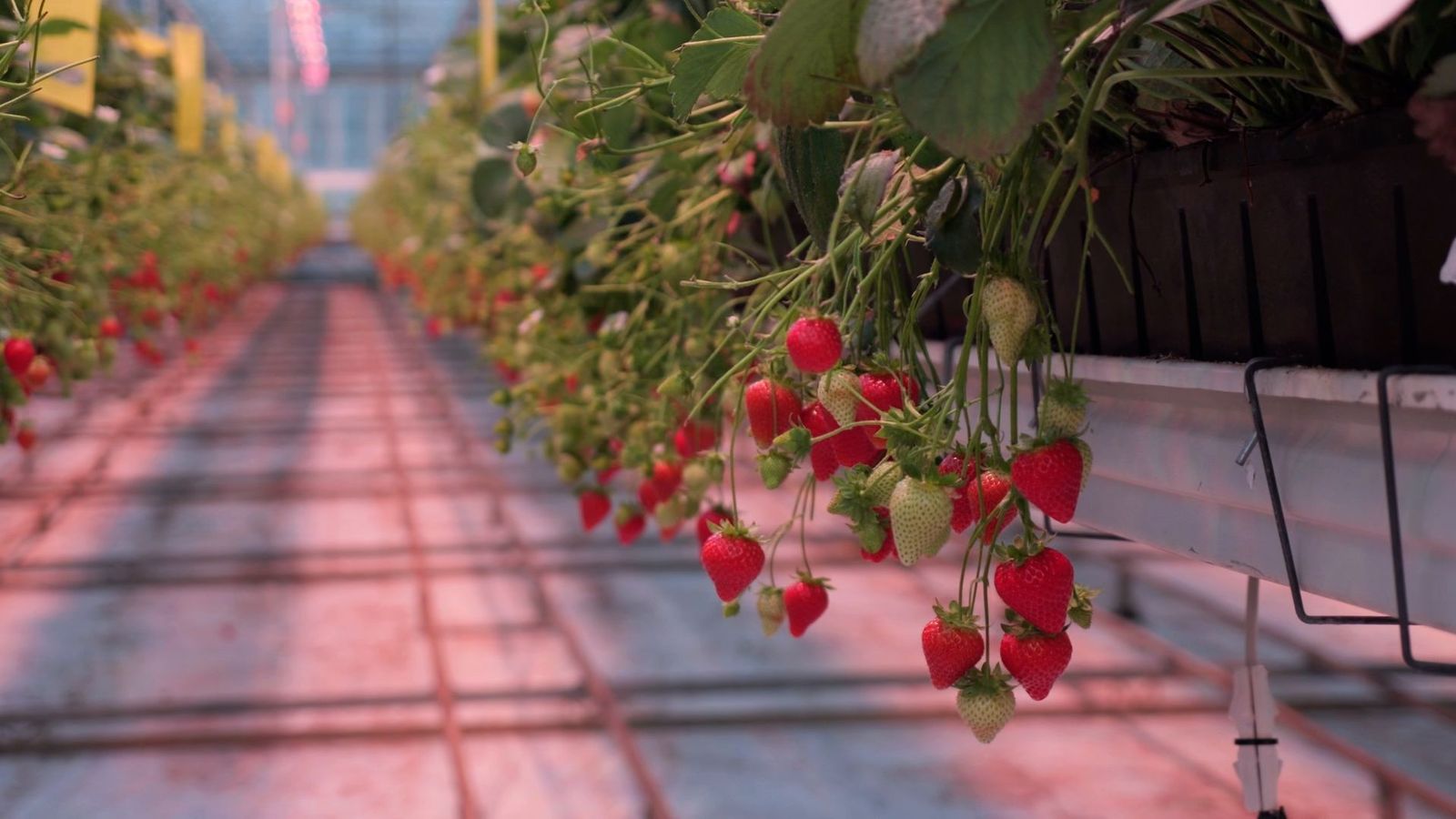
This winter, acres of sweet, red strawberries are ripening in West Sussex for sale in British supermarkets. LED lighting in huge greenhouses makes year-round berry cultivation possible on a commercial scale for the first time. This means less dependence on flown-in fruit from countries like Egypt.
The Role of LED Lighting
The LED lighting is the main reason for the successful cultivation. If it wasn’t a sunny day, the LED lighting would produce enough energy for the leaves to absorb, absorb and release that energy to the berries. This allows for the right sweetness in the berries and the right shape and size.
Greenhouse Operations
The 36,000 square meter greenhouses at the Chichester site are partly powered by renewable energy and are full of bees as pollinators. The new branch of the company means year-round employment for 50 employees. While this drastically reduces food miles, the environmental impact is unavoidable when creating a huge space warm enough for pickers to wear short sleeves in the winter.
Environmental Considerations
Dr. Tara Garnett, said: "You’re going to need a lot of heat and a lot of light to reproduce summer growing conditions, so it all depends on the energy source you’re going to use." The UK’s levels of self-sufficiency in fruit and vegetables are shocking – 16% of the fruit consumed is British grown, so the majority is imported, and when it comes to vegetables we’re looking at closer to 50% or so.
Production and Consumption
Around 1.5 million baskets of strawberries are expected to be picked at the site throughout the winter, allowing British strawberries to be consumed at Christmas. However, for some, it’s quite simple: strawberries should be saved for the summer, even if the path from plant to plate is much shorter.
