

Introduction to Endocrine Disruptors in Children’s Toys
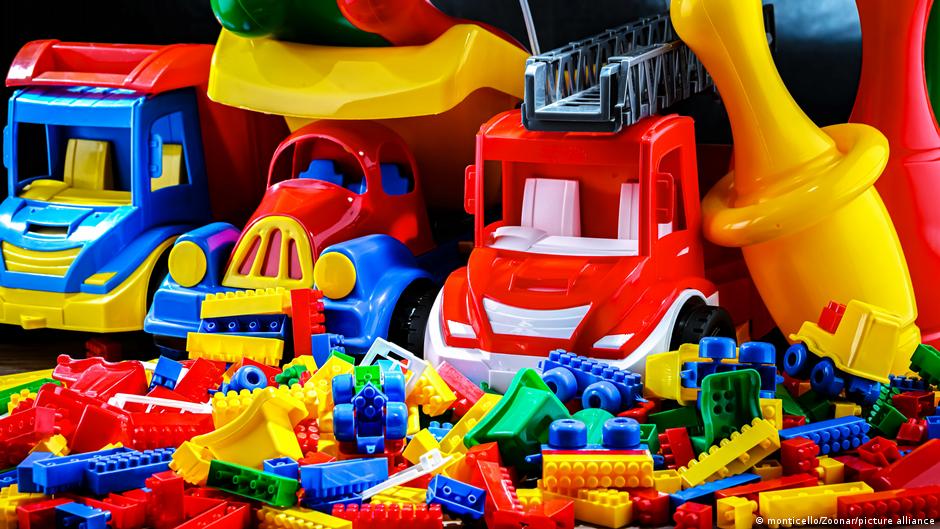
Children in countries where Christmas is celebrated around the world are dreaming of what awaits them in colorfully wrapped packages – from model cars to plastic building blocks, dolls and much more. However, the German Society for Endocrinology, a specialist society for researchers who study the effects of hormones, warns that many children’s toys contain endocrine disruptors that can have a negative impact on metabolic processes, growth, brain development and fertility.
What are Endocrine Disruptors?
Endocrine disruptors (EDCs) are chemicals that, even in small amounts, disrupt the function of hormones and can have harmful effects. EDCs include plasticizers such as phthalates and bisphenols, which are found in a variety of food packaging. These also include brominated flame retardants that make plastics less flammable, so-called Forever Chemicals (PFAS), as well as heavy metals such as cadmium and bromine.
Harmful Substances Endanger Children
These substances can be found in all sorts of everyday household items such as cosmetic products, plastics, paints and textiles, but also in cheap children’s toys. Children’s skin and mucous membranes are not yet fully developed as a barrier against pollutants. In addition, young children explore the world with their mouths, which can massively increase EDC exposure.
The EU’s Response to the Lack of Regulation
EDCs are considered substances of very high concern in the EU and are considered to be just as dangerous as carcinogenic or mutagenic substances such as asbestos. Yet EDCs still end up in toys for children. The European Parliament has responded to this situation by adopting new safety regulations for toys. The EU is a global leader in introducing and enforcing regulatory standards for products and chemicals.
How to Avoid Dangerous Toys
A few tips for limiting exposure:
- If plastic toys smell strongly of chemicals, you should consider throwing them away.
- Textiles should be washed before being given to a child.
- Products from well-known brands are probably the best and safest choice.
To date, there are no reliable EU-wide labels that certify a product’s safety and compliance with EU standards. New EU safety rules require toys to have a digital product passport, allowing authorities and consumers to check whether the item is safe.
Precautions for Gift Givers
Gift givers should also avoid old, used plastic toys. There is a risk that EDCs will escape from worn or damaged surfaces. Older plastic toys can also contain substances that are now banned. Many EDCs are very persistent and are referred to as ‘persistent organic pollutants.’ Therefore, it is essential to introduce stricter controls and bans to protect children from the harmful effects of endocrine disruptors.
