

Introduction to the House of History
The museum has opened its new permanent exhibition “You are part of history”. The latest addition to the chronologically structured exhibition can be found at the very end, a red protest sign against the new conscription law with the slogan “Wages up, armaments down”. A museum employee carried it back to the museum from the demonstration on December 5th on Bonn’s Hofgartenwiese. Less than a week later, it is already on display as a historical document in the “Today” section, the last of five periods of the interactive exhibition.
The Exhibition
The show’s approximately 3,800 exhibits take visitors back to the past eight decades of German history – from the end of the Second World War in 1945 to the present day. Almost everything that was and is important in German history – in the West and in the East – can be seen. The aim of the new permanent exhibition, which was financed with 25 million euros, is to bring contemporary history to life. The planning and design took six years and after a 14-month closure, the permanent exhibition is now reopening.
Reaction to the Exhibition
The Federal Government Commissioner for Culture and Media was impressed by the result: “The new permanent exhibition is a wonderful reflection of our modern history.” The House of History, which opened in 1994, was one of the most visited museums in Germany. However, by 2024 there would be a certain imbalance between the different historical periods. As much space was devoted to the 35 years after the fall of the Berlin Wall as to the first four years after the end of the Second World War.
A New Focus on German Reunification
That has now changed: reunification is becoming the focus, and the 45 years before it are given just as much space as the 35 years after its end. Current debate topics in Germany such as immigration and integration, racism, LGBTQ+ life, climate policy and the media are now given significantly more space. Personal stories and striking objects – such as a mud-covered doll from the 2021 Ahr Valley flood – are used to depict current events and, above all, to give young people an answer to the important question: “Why should I care?”
Interactive Elements
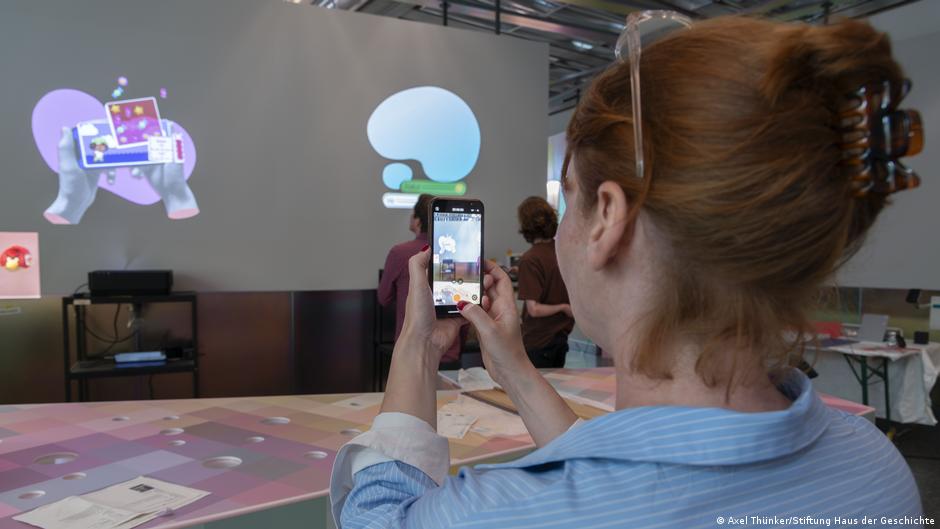
Numerous interactive elements also help, such as a station where you can place your own silhouette on pictures of historical events such as the fall of the Berlin Wall or Germany’s victory in the 1954 World Cup. At another exhibition, visitors can vote on which policies they would finance. In authentic Bundestag seats, they can choose between “strengthening the military,” “protecting wildlife,” or evenly dividing the money. The results are visible immediately. Democracy can be that simple.
The Importance of the House of History
The House of History is also an important national archive. His collection contains more than a million objects. The Head of Cultural Affairs emphasized the importance of the museum as “a key role in the way we see ourselves and think about ourselves.” The new permanent exhibition asks: “What kind of democracy do we have, what kind of republic is this?” “Germany has often been described as a democracy on probation,” he said. "And here you learn that after 80 years we are already a proven democracy, with all its disputes and conflicts. Presenting this picture is a great achievement of this exhibition."
