

Introduction to EU-Mercosur Trade Deal
Brazilian President Luiz Inacio Lula da Silva stressed this week that after more than two decades of negotiations there are no longer any obstacles to the signing of the EU-Mercosur trade deal next month. Speaking on the sidelines of the G20 summit in South Africa, Lula said the deal would represent "potentially the largest deal" in global trade, citing the two blocs’ nearly 722 million residents and $22 trillion gross domestic product (GDP).
Obstacles to the EU-Mercosur Trade Deal
But while EU trade officials believe the Mercosur pact is a done deal, France and Hungary are calling for last-minute changes, citing risks to their agricultural sectors. And while the long-sought pact remains precarious, the US is stepping up efforts to sign its own trade deals with several countries in the region.
The US is Accelerating Trump’s Trade Strategy
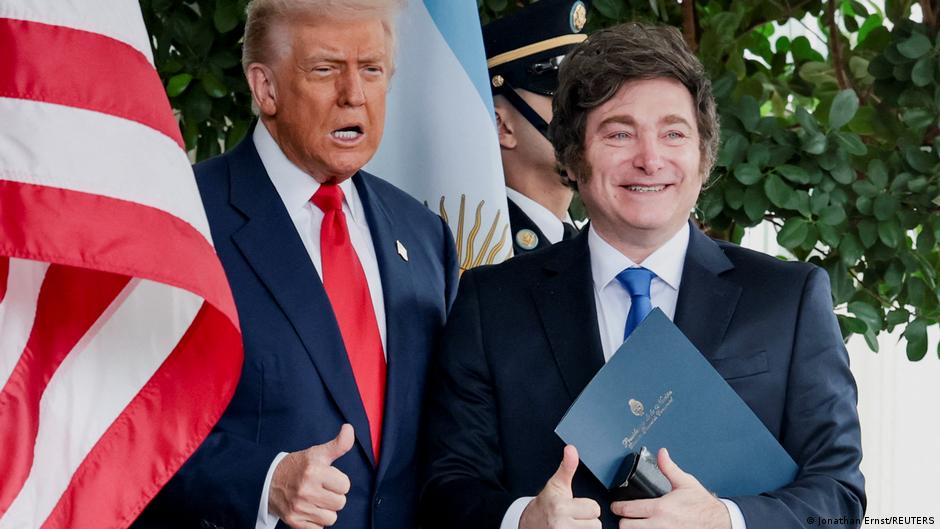
In recent weeks, the White House has announced or negotiated framework agreements with Argentina, Guatemala, El Salvador and Ecuador as part of the Trump administration’s efforts to shift the trade balance and contain China’s growing influence. "At the geopolitical level, these agreements strengthen the US presence in the face of growing competition with China in infrastructure, technology and critical minerals,"
Benefits of US Trade Agreements
Closer trade ties with the U.S. would give Latin American countries “greater room for maneuver, access to technical cooperation and opportunities to diversify production.” The agreements could anchor Latin America in changing U.S. economic priorities and give the region a stronger footing in the broader global realignment.
China’s Growing Influence in Latin America
China is currently overtaking rivals from the US and EU in the race for geopolitical influence in Latin America. In Argentina, for example, China recently replaced Brazil as the country’s largest trading partner, with Chinese imports of Argentine goods – particularly soybeans and beef – surging, while Argentine imports from China also increased.
US Seeking Strategic Allies in Latin America
The Trump administration is resorting to a familiar approach, particularly the "classic ‘carrot and stick’ method" to strengthen its trade position in Latin America. Countries perceived to be cooperative on migration and security – such as Guatemala, El Salvador and Ecuador – or politically allied states such as Argentina would be given preferential treatment.
Implications of US Trade Agreements
New agreements strengthen these countries as strategic partners and signal resistance to China. However, Argentina’s libertarian leader Javier Milei now has to tread a narrow path. The new US trade frameworks may not be fully compatible with Mercosur rules, raising the possibility that the country will have to choose between the US approach and its Mercosur commitments. Such a decision could have “significant impacts on Brazil and trade throughout the country.”
Europe’s Waiting Game
Europe, meanwhile, remains waiting in the wings – partly of its own making. EU negotiators still have "extensive lists of demands" while bilateral US deals offer "faster and more tangible results". This could lead to the erosion of Brazilian market share in Argentina as lower cost US goods gain access.
