

Introduction to the Issue
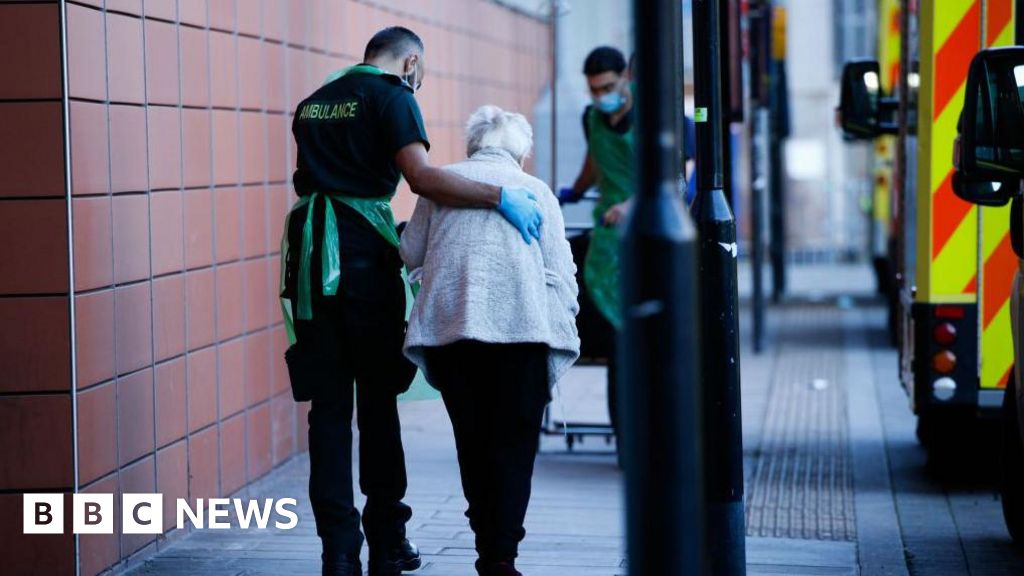
The NHS needs to take illnesses such as pneumonia and flu in older people much more seriously. Some doctors are unaware that infection can significantly increase the risk of a stroke or heart attack. The number of flu patients in hospital in England has reached a record high as the nation faces an unprecedented flu season. NHS data shows adults over 70 are much more likely to get an infection and die or become seriously ill.
Older People are "Underserved"
Older people are often "underserved" in both NHS care and medical research. There should be a lower threshold for antibiotic prescribing than for younger adults. The medical community has historically taken a fatalistic view of infections in older people, assuming it’s just one of those things that happens as you get older. However, there’s a lot that can be done about it.
The Risk of Infections
Illnesses such as pneumonia, flu, or a urinary tract infection can increase the risk of stroke, especially in the first two weeks, but also up to a year later. Research also suggests that older patients are more likely to have a heart attack after an infection, although this is less conclusive. Reducing infections would also reduce strokes and heart attacks.
Protecting Against Winter Bugs
The public can do more to protect themselves from winter bugs through "common sense" measures such as washing hands, taking care when preparing food, staying at home when sick, and taking up the free vaccinations offered by the NHS.
Warning About Vaccinations for Children
While the UK is one of the countries with the highest childhood vaccine uptake rates in the world, rates have been “falling” over the last decade. The decline was particularly pronounced in London, while interest rates in other parts of England either remained stagnant or showed a more gradual decline. The downward trend was largely due to access to vaccines and the practicalities of scheduling appointments, rather than "any significant change in people’s desire to get vaccinated." It is "completely legitimate" for people to ask questions about the shots, but there is a risk that some people in the UK would look at what was happening in other countries and think: "If they’re worried, shouldn’t we be worried?" The general population is actually very rational in this regard, provided they are clear about the risks and benefits and they understand the issues. The number of people in the UK who are genuinely anti-vaccination in the traditional sense is very small.
