

Introduction to the European Automotive Industry’s Challenges
The European automotive industry is bracing itself for a significant announcement from the EU on December 10th, which could lead to substantial changes to the European Commission’s proposed phase-out of internal combustion engines by 2035. However, due to pressure from car manufacturers and other affected sectors, such as car rental and car leasing companies, the announcement may be postponed until January.
EU Commissioner’s Statement
EU Commissioner for Sustainable Transport and Tourism, Apostolos Tzitzikostas, stated, "We are still working on it. We want to present a truly comprehensive automotive package that covers all necessary aspects." Several media reports suggest that the EU Commission plans to accelerate the electrification of the rental, leasing, and company car markets by 2030, while easing the broader ban on all internal combustion engines from 2035 and allowing alternatives to electric vehicles (EVs).
Expected Proposals
A manager at a major car rental company expects the EU to propose strict electric vehicle quotas for fleet operators, with a rate of up to 90% or more by 2030. The Commission is not looking for dialogue or discussion, according to the executive. The EU Commission has no comment on the negotiations, stating that preparations for the upcoming package are "underway."
Background on the EU’s Climate Neutral Strategy
In 2022, the 27 EU member states agreed to effectively ban the sale of new cars with internal combustion engines by 2035, aiming to reduce the high emissions of the automotive sector as part of the Union’s strategy to become climate neutral by 2050. However, the European automotive sector has faced numerous problems, including the technological challenge of shifting to electrification and increased competition from China.
Requests for Concessions
Chancellor Friedrich Merz has urged the EU to soften the 2035 deadline, applying for exemptions in Brussels for various technologies, including plug-in hybrids, battery hybrids, and some extended-range electric systems. Merz believes it is more opportune and pragmatic to invest in efficient hybrid systems that combine the best of internal combustion engines and electromobility.
Support from Automobile Manufacturers
Europe’s major automobile manufacturers support the federal government’s move. BMW stated that the EU Commission is ignoring market realities and risking employment and competitiveness in one of its key industries. The company expects the EU Commission to examine the German proposal before announcing it, emphasizing that all drive systems can and must contribute to effective climate protection.
Concerns of Commercial Fleet Operators
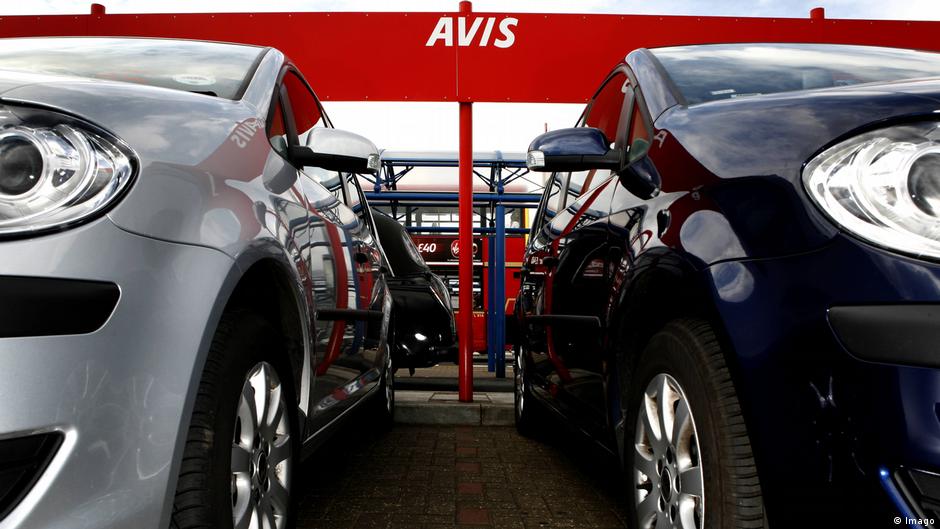
Commercial fleet operators are deeply concerned about the potential easing of the ban in 2035, which could be offset by possible quotas for commercial fleets. Car rental companies are particularly worried, with Sixt speaking out against the reported EU plans. The company argues that a chronic lack of electric vehicle charging infrastructure across Europe is undermining any push for electrification.
Slow Adoption of Electric Vehicles
The slow adoption of electric vehicles is weighing on profits, with several car rental and car-sharing companies investing in electric models but suffering heavy losses due to lack of customer interest. Hertz reported a massive $2.9 billion loss in 2024, largely due to a failed investment in tens of thousands of Tesla cars.
Expert Insights
Patrick Schaufuss, head of the Center for Future Mobility at consultancy McKinsey, expects the EU Commission to take these realities into account in any update it presents. He emphasizes that electrification is the future in the long term, but notes that markets are "decoupling" and different regions are moving at different speeds. Maintaining economic success during this transition period is critical, and any policy platform should consider both decarbonization and economic success as part of a holistic approach.
