

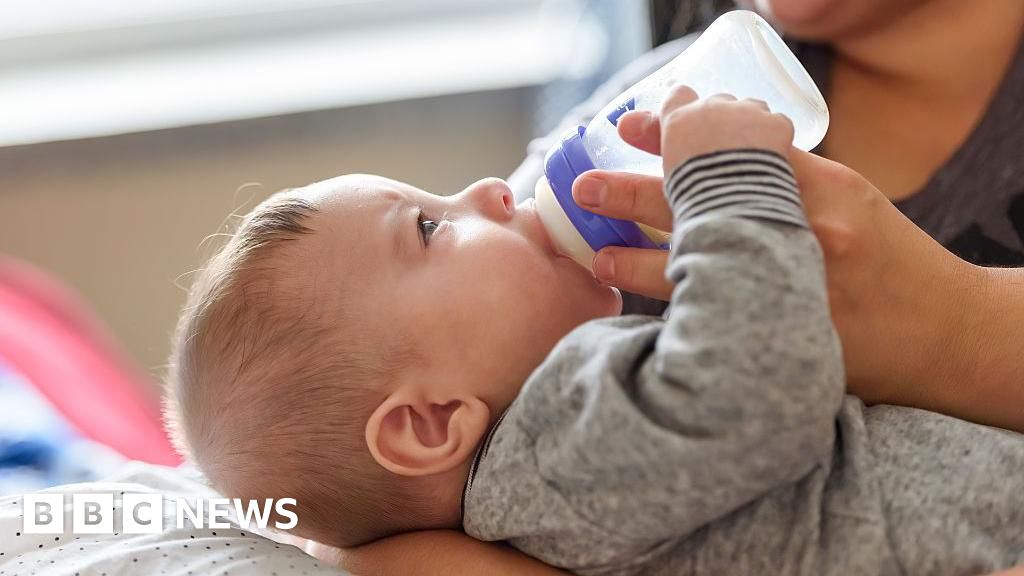
Introduction to Baby Formula Affordability
Parents will be able to buy baby formula at supermarkets using loyalty points and vouchers as part of a government plan to make baby milk more affordable. The price of baby formula has risen dramatically in recent years, with a standard tin costing between £12 and £15.
The Need for Affordability
The aim of the change is to give families the confidence to choose cheaper options. The government and consumer watchdog estimate those who cannot or do not want to breastfeed could save up to £500 a year. Charities were concerned that lower-income families were watering down the formula or struggling to pay for other essentials because they were too expensive.
New Measures
Under the new measures, parents will be given clearer guidance on the nutritional standards that all infant formula sold in the UK must meet and encourage retailers to comply. Some retailers had previously pointed out that rules banning direct or indirect advertising of infant formula made it impossible for them to discount it and were unsure whether people would be able to use loyalty programs to buy their milk.
Current Market Regulation
Currently, the baby food market is regulated in such a way that promotions such as loyalty points or discounts are prohibited, as are tobacco and lottery tickets. This is to promote breastfeeding, which the NHS says is healthier for children. But in its interim report, the Competition and Markets Authority warned that it was also discouraging companies from competing on prices, which inadvertently resulted in consumers paying more.
Market Competition
Just three companies account for about 90% of the infant formula market. The Competition and Markets Authority looked at the sector earlier this year and recommended that it be made much clearer to parents that all products on shelves meet nutritional standards so that families are not pressured to buy more expensive brands out of fear of giving their baby the best start.
Government Action
The government has agreed to adopt proposals from the competition watchdog to ensure parents are not pressured to buy more expensive brands. Announcing the changes, the government said it would take action to give parents and carers the confidence to access infant formula at cheaper prices, with clearer guidance for retailers and by helping new parents use loyalty points and vouchers.
Response from Charities and Retailers
Health Minister said it was “not right” that manufacturers could package their products in a way that took advantage of young parents worried about what was best for their baby. Charities welcomed the move, saying infant formula was "a basic necessity" and that families have faced inflated prices for this vital product. The announcement was also welcomed by infant nutrition charity and the British Retail Consortium, who said the government’s proposed next steps were sensible.
Future Action
Other recommendations from the Competition and Markets Authority, which the government has agreed to in principle, include ensuring that all infant formula is displayed together and separately from other infant milk formulas, and clarifying what counts as advertising. The government said further action was needed on other recommendations, including banning unverifiable references on infant and follow-on formula labels and extending the advertising limit for follow-on formula. Authorities in all four devolved countries have agreed to the government’s response.
