

Introduction to St. Nicholas and Krampus
Most people in Germany associate St. Nicholas with a harmless custom: on the evening of December 5th, children leave their cleaned shoes next to the front door and expect the next morning to find their shoes full of small gifts and treats that St. Nicholas has brought with him. However, there are regions in Germany, such as Bavaria, where the Santa Claus-like figure has a dark companion, Krampus. The hairy devil has different names in different regions and is part of folkloric festivals with fearsome costumes and parades.
The Klaasohm Festival on Borkum
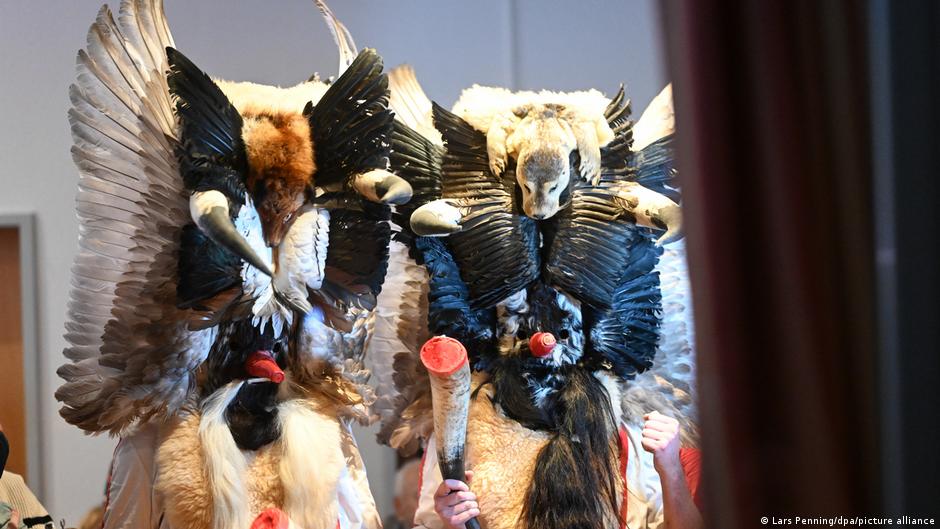
The Klaasohm Festival on Borkum, an island near the Netherlands with 5,000 inhabitants, also follows this darker tradition. On the night of December 5, women were beaten on the bottom with cattle horns. The tradition sparked widespread controversy after a video report on the 2023 celebrations showed "Klaasohms," young men dressed in traditional costumes made of sheepskin and bird feathers, "chasing" and beating women as part of the celebrations. Security has already been tightened and the practice banned in 2024, and authorities want to reassure people that the same will be the case this year.
A Controversial Practice
In the 2023 report, two male reporters attempted to film the 2023 celebrations. Using their cell phones, they were easily able to film the day’s festivities, where the community gathered around young, unmarried men dressed in the traditional costumes of the Klaasohms. The party continued into the night. The reporters secretly filmed a group of so-called “catchers” as they chased and held women while the Klaasohms beat their buttocks with a cow horn. The people around them, including children, cheered together. The report included anonymous interviews with three women and a former male resident of the island who took part in the ritual and now condemn it.
Women’s Experiences
The women explained that as children they were raised to believe that it was an exciting game of hide-and-seek that was part of the islanders’ shared identity. That’s why they enjoyed taking part in the ritual as teenagers, but it was a very painful experience. Even the young man who left Borkum still felt that he could not show his face in front of the camera because he feared that any criticism of the ritual could have negative consequences for his family. The NDR reporters asked the islanders to comment on the ritual. Many of those who initially agreed to speak later insisted that their comments be removed from the report before it aired.
Importance to Men
An older woman speaks freely on camera and recalls being beaten during the festival in her youth. She said she was definitely never a fan of the ritual. When asked why it was so important to the people in Borkum, she replied: “It is important to the men.” One man laughed it off as harmless fun and explained: “As her [the young men] When I see a woman, they beat her a bit with a cow horn and add, "It’s not really violent." However, the anonymous respondents said the blow left them bruised and in pain for several days.
Authorities’ Response
Given the outraged reactions the report sparked, Borkum authorities admitted in a 2024 statement that they had made a mistake in avoiding the media. The association admits that the tradition can be viewed as controversial today. Beatings with cattle horns have been a tradition in the past “and in individual cases in recent years as well,” according to their press release. “We expressly distance ourselves from any form of violence against women and apologize for the historically justified actions of recent years.” As early as 2024, the police will pursue a “zero tolerance policy” when it comes to violence, a police spokesman said.
Changes to the Festival
For 2025, the city plans to maintain the same measures as last year, including establishing phone numbers and areas where women can report dangerous or unpleasant situations. “These support services represent a significant change and improvement compared to previous years. Otherwise, the festival will be organized in the same way,” said the island’s mayor. In their report, the NDR journalists pointed out, using the example of the Krampus Run in Austria, that it was possible to deal with media criticism more openly. According to tradition, people dressed as devilish figures whip the spectators of the procession with a birch rod. Now there are increased security measures around the Austrian events, with safe areas for those who don’t want to be hit, and each Krampus is assigned numbers so they can be identified if necessary.
