

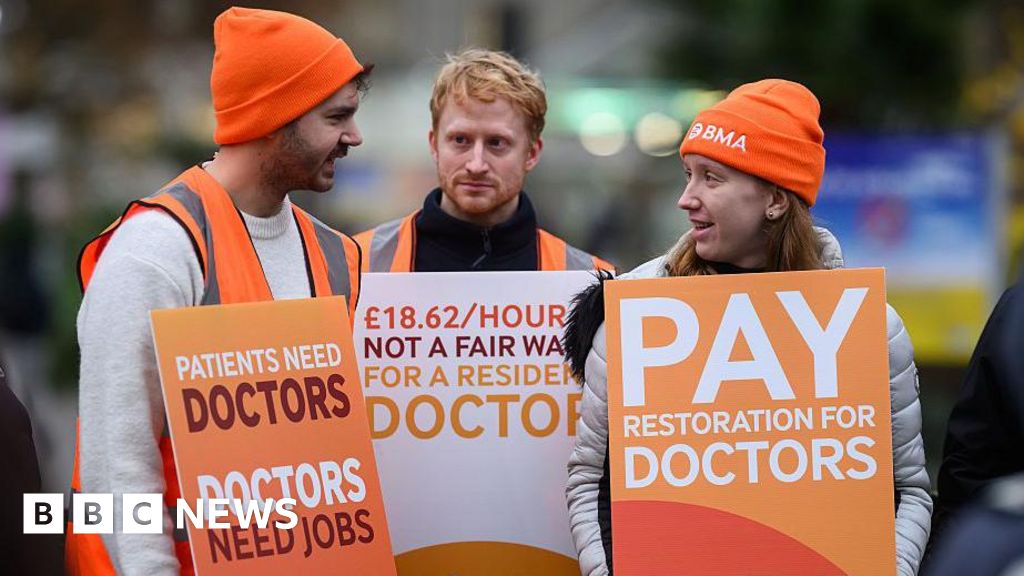
Introduction to the Strike
Doctors in England have announced a five-day strike before Christmas, starting on December 17th. It is the 14th strike since the long-running wage dispute began in March 2023 and follows an earlier five-day strike in mid-November. Health Minister said the latest action was designed to “cause maximum disruption” and was “a cynical attempt to ruin Christmas”. But the British Medical Association said doctors were left with no choice as there was no credible pay offer from the government.
Who are Resident Doctors?
Resident doctors are qualified doctors who have completed a medical degree. They make up around half of all doctors in England and work across the NHS, including in emergency departments and GP practices. After completing their initial studies, many decide to specialize in a specific area of medicine or surgery. They used to be known as junior doctors, but the government agreed to change the name of its role to better reflect their expertise. Complete training can take a long time. Although some practicing physicians may have recently graduated from medical school, others may have more than a decade of practical experience and are responsible for most aspects of care.
Salary of Resident Doctors
In the first year of studying medicine, practicing doctors in England earn a basic salary of £38,831. In the second year this amount rises to £44,439. Medical professionals are often expected to work night shifts, weekends and extended hours, for which they receive additional pay. After eight years or more, salaries for practicing doctors can rise to around £73,000. They received salary increases totaling 22% in 2023 and 2024, and even more so in 2025 another 5.4%.
Demands of Resident Doctors
The British Medical Association has called a series of strikes in England since 2023 over pay and working conditions. It is argued that the salary of practicing doctors is 20% lower in real terms than in 2008, even after the increase in 2025. The government uses the Consumer Price Index (CPI), a measure of inflation, to calculate public sector wage increases. However, the British Medical Association says many practicing doctors have large student loans and the interest on these is calculated using a different measure of inflation called RPI, which is higher.
Government and BMA Statements
Health Minister says practicing doctors have received the highest pay rises of any public sector worker in the last three years – nearly 30% in total – and insists the Government will not offer any further rises. The British Medical Association argues that even after the expansion of positions, many practicing doctors will remain unemployed at a crucial point in their training and that the salary issue still needs to be addressed. The union said it had told the government there would be no strikes in the foreseeable future if doctors were offered a multi-year contract "that restores wages over time" and expressed disappointment at the lack of progress.
What to Do During the Strike
The strike in England runs from 07:00 GMT on Wednesday 17 December until 07:00 GMT on Monday 22 December. The NHS is usually under great pressure at this time as rising cases of flu and other winter infections make the rounds. It’s also a busy time for hospitals as they discharge as many patients as possible so they can spend Christmas at home. Anyone with a life-threatening emergency should call 999 and go to the emergency room if necessary. For urgent, non-life-threatening problems, use the NHS 111 website or call the hotline. General practitioners’ practices are open as usual.
Salary Increases for Other Public Sector Employees
In May 2025, the government announced wage increases for a range of public sector workers including:
- 4.5% for members of the British Armed Forces, 3.75% for senior military personnel
- 4% for other doctors, dentists and teachers in England and prison officers in England and Wales
- 3.6% for some NHS staff in England, including nurses and midwives
- 3.25% for civil servants
However, because studying medicine can take five or six years – longer than most other courses – the British Medical Association believes that the pay of practicing doctors should reflect the fact that they may have higher student debt than other graduates. Additionally, practicing physicians have little control over where and when to work, and the need to complete internships in different parts of the country can be expensive.
