

Introduction to the Diagnosis
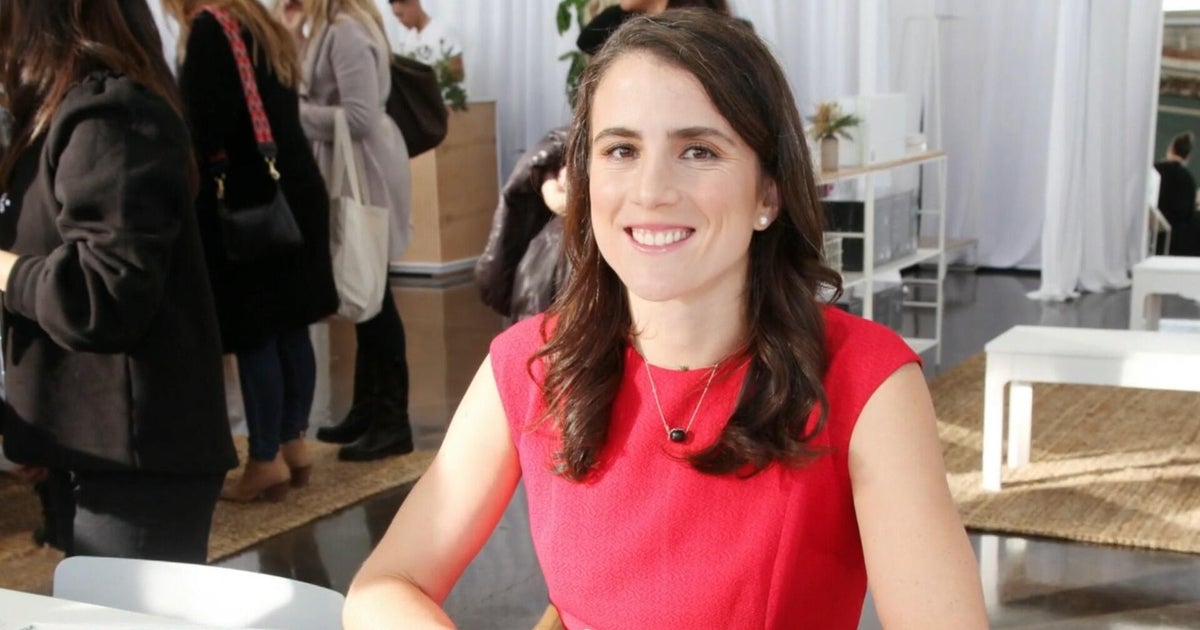
This weekend, a member of a prominent American family shared devastating news with the public. Tatiana Schlossberg, aged 35 and a granddaughter of former President John F. Kennedy, announced that she has been diagnosed with terminal cancer. This news has sent shockwaves through the community, prompting an outpouring of support and raising awareness about the disease.
Understanding Terminal Cancer
Terminal cancer refers to cancer that can no longer be cured with treatment, and the focus of care shifts from curative to palliative. Palliative care aims to provide relief from the symptoms, pain, and stress of a serious illness. The diagnosis of terminal cancer is based on various factors, including the type of cancer, its stage, and how it has responded to treatments.
The Role of Medical Experts
CBS News medical contributor Dr. Celine Gounder has provided insight into the diagnosis, explaining the complexities of terminal cancer and the importance of comprehensive care. Medical experts like Dr. Gounder play a crucial role in helping patients and their families understand the diagnosis, the available treatment options, and what to expect in the coming days.
Coping with the Diagnosis
Receiving a terminal cancer diagnosis can be overwhelming, not just for the patient but also for their loved ones. It’s a time when emotional support, understanding, and compassion are crucial. Families and friends can offer significant support by being present, listening, and helping with daily tasks and responsibilities.
Moving Forward
As Tatiana Schlossberg and her family navigate this challenging time, they are surrounded by thoughts and prayers from across the nation. The announcement serves as a reminder of the importance of cancer research, the need for ongoing support for patients with terminal illnesses, and the value of living each day to the fullest. It also highlights the resilience and strength of individuals and families facing such diagnoses, inspiring others with their courage and grace.
