

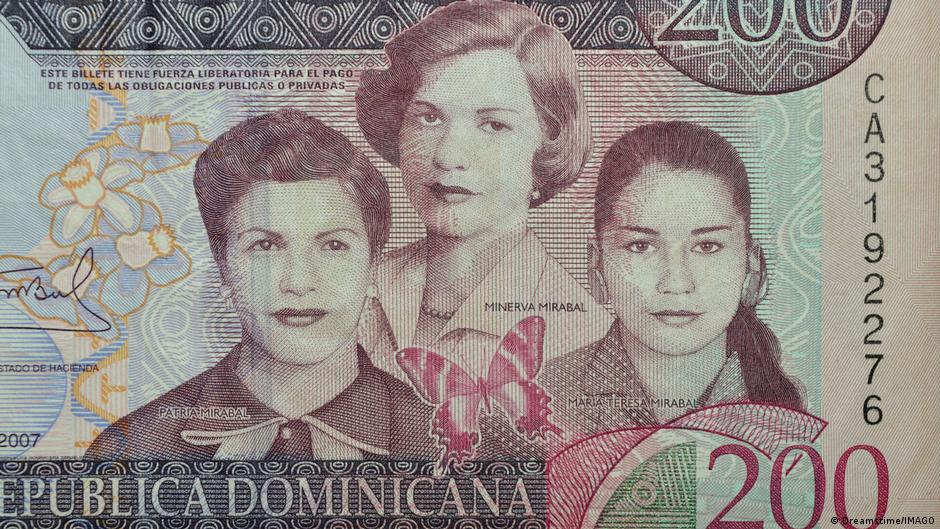
Introduction to the Mirabal Sisters
On November 25, 1960, three sisters – Patria, Minerva, and Maria Teresa Mirabal – were found dead at the bottom of a ravine near La Cumbre, a mountainous stretch of road in the Dominican Republic. The jeep they were traveling in had plunged 150 meters into a devastated heap. It looked like an accident – except that their bodies and that of their driver bore signs of beating and strangulation.
The Regime of Rafael Trujillo
At the time, the Dominican Republic was under the rule of Rafael Leonidas Trujillo Molina, a dictator whose more than 30-year rule was characterized by censorship, surveillance, and brutal repression. Dissidents were often silenced with impunity. Among them were the Mirabal sisters. They came from a wealthy family, and their political consciousness was awakened early on by the regime’s abuses, which also affected their homeland.
The Mirabal Sisters’ Resistance
Minerva, the country’s first woman to receive a law degree, had once rebuffed Trujillo’s sexual advances. She was harassed, had her license to practice revoked, and was placed under constant surveillance. Historian Nancy P. Robinson wrote in 2006: "Trujillo’s hatred of the sisters was not only political but also personal: he was angry at Minerva for rejecting his sexual advances and saw this as an affront to the machismo that fueled his authoritarian leadership." Minerva, along with her sisters and their husbands, helped found the Juneteenth Movement – a secret network that distributed leaflets, organized resistance cells, and exposed the regime’s crimes.
The Murder of the Mirabal Sisters
The sisters’ code name was "Las Mariposas" or "The Butterflies". Minerva and Maria Teresa were arrested and released several times because of their resistance activities. On the day of their deaths, the sisters were returning from visiting their imprisoned husbands. Their car was intercepted by Trujillo’s secret police, who strangled and beat them to death. Their bodies were then placed in the jeep, which was pushed off a cliff to simulate an accident.
Legacy of the Mirabal Sisters
Trujillo was assassinated six months later, with the murder of the sisters widely seen as a turning point in the overthrow of his regime. Minerva Mirabal had often presciently said, “If they kill me, I will stretch my arms from the grave and be stronger.” In 1981, Latin American feminists gathered in Bogotá and proposed November 25 as a day to honor victims of gender-based violence, establishing the International Day for the Elimination of Violence Against Women.
Global Pattern of Oppression
The femicide of the Mirabal sisters was not an isolated tragedy – it is part of a long, global continuum of violence against women and resistance to it. In 2006, US activist Tarana Burke coined the term “Me Too” to support survivors of sexual violence – particularly young women of color. More than a decade later, the hashtag #MeToo spread worldwide after multiple allegations of sexual abuse against film producer Harvey Weinstein were uncovered. Millions shared their experiences of sexual abuse online and demanded accountability from their perpetrators.
Digital Violence Against Women
Although the Mirabal sisters lived in a time before social media, they knew what it meant to be watched, threatened, and punished for speaking out. This also applies to generations of women and girls who are exposed to violence, whether at home, at work, on the streets of peaceful cities or in conflict zones. Today they are also exposed to digital violence – the focus of Orange Days 2025. Technology-enabled gender-based violence (TFGBV) is increasingly being used as a weapon to harass, silence, and harm women.
Conclusion
The murder of the Mirabal sisters is still relevant 65 years later. The incident sent shockwaves around the world and highlighted how this and other examples – across borders and platforms – reflect the persistence of gender-based violence. Even 65 years after the murder of the Mirabal sisters, November 25th continues to mark a global reckoning with this reality. The legacy of the Mirabal sisters lives on, inspiring women and girls around the world to stand up against violence and oppression.
