

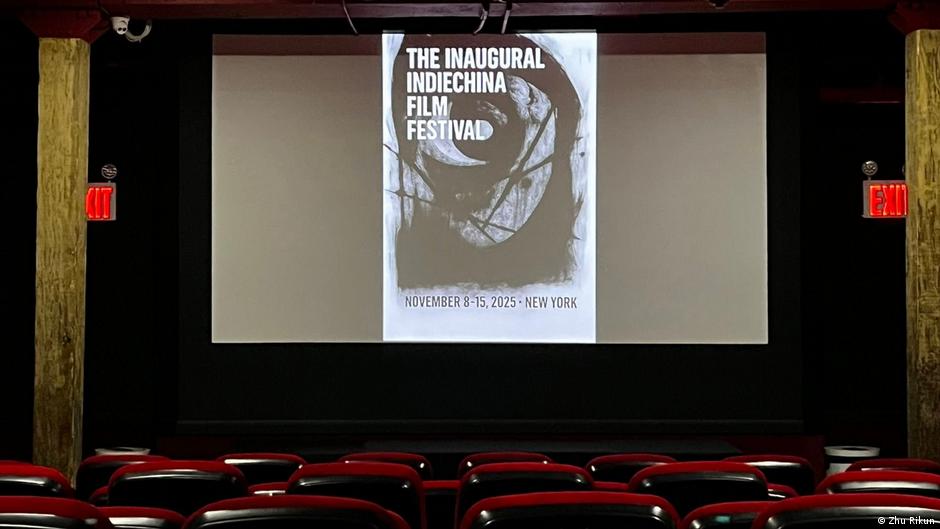
Introduction to the Cancellation of the IndieChina Film Festival
In recent weeks, photos of empty cinemas have been circulating online as a form of protest orchestrated by Zhu Rikun, curator of the New York-based IndieChina Film Festival, against what he called the Chinese government’s crackdown on independent films. The festival was canceled on November 6, just days before it began, due to pressure from the Chinese government.
Pressure from the Chinese Government
Zhu Rikun expressed his surprise at the cancellation, stating that he didn’t notice any warning signs and had even expressed hope that the festival could return to China soon. The pressure began with a call from his father urging him not to “do anything that would hurt the country.” Soon after, almost all Chinese filmmakers withdrew their films, and foreign guests were harassed by unknown people.
Speculation and International Human Rights Groups
Back in China, the Wuhan Berlin Film Week also unexpectedly announced its cancellation, leading to speculation that it too had faced pressure from authorities. International human rights groups warned of Beijing’s increasing repression at home and abroad. Yalkun Uluyol, a China researcher at Human Rights Watch, stated that the move "shows the Chinese government’s aim to control what the world sees and learns about China."
Why China Targeted an Independent Festival in the US
Beijing has made no official comment on the cancellation in New York. Certain films in the festival’s lineup, such as the 2019 Hong Kong pro-democracy documentary "If We Burn," could be viewed as controversial by the Chinese government. However, most of the works involved did not touch on politics, but their directors and collaborators were still under pressure.
Shrinking Space for Indie Filmmakers in China
Independent film festivals in China have faced increasing crackdowns over the past decade. In 2011, the Documentary Film Festival China (DOChina) was canceled due to government pressure. In the years that followed, the three major independent film festivals across the country were raided or closed. The crackdown intensified in 2014 when police raided the Beijing Independent Film Festival, confiscating film collections and arresting organizers.
Films in Support of National Unity
China’s film industry promotion law says filmmakers must avoid producing content that could harm "national unity" or state interests. All films must be submitted for government review. Unlicensed works may not be displayed publicly, shared online, or submitted to festivals. This law has forced many independent filmmakers to either comply or face the consequences.
Chinese Independent Festivals Try to Stay Under the Radar
The Wuhan Film Festival, which was also abruptly canceled this year, was run by a local, unofficial independent screening group and was in its fourth year. Two young Chinese film promoters, who spoke under pseudonyms for security reasons, pointed to the unpredictability of government supervision as the main reason for the sudden shutdown. They stated that independent festivals in China often only survive because local authorities “turn a blind eye.”
Conclusion and Future Prospects
Despite the recent setbacks at his event in New York, Zhu remains relatively optimistic. He believes that Beijing’s recent actions have actually brought support to the festival, forcing the authorities to acknowledge their actions rather than act with complete impunity. The cancellation of the IndieChina Film Festival has brought attention to the struggles of independent filmmakers in China and the government’s efforts to control the narrative.
