

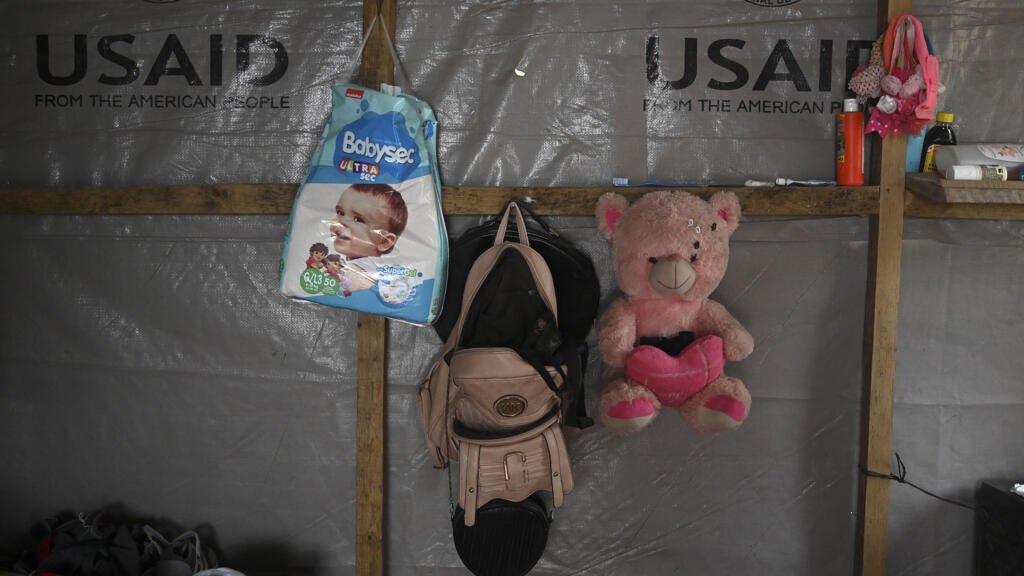
Introduction to the Crisis
Cuts in international aid by the United States and European countries could lead to devastating consequences, including a significant increase in preventable deaths worldwide. A recent study has shed light on the alarming impact of these concurrent aid cuts, projecting more than 22 million preventable deaths by 2030.
The Scale of the Problem
This staggering number includes 5.4 million children under the age of five, highlighting the disproportionate effect on the most vulnerable populations. The study underscores the unprecedented global impact of these aid reductions, emphasizing the need for immediate attention and action to mitigate the effects.
Causes and Consequences
The reduction in international aid is attributed to cuts by the United States and European countries. This decrease in funding will severely impact global health initiatives, leading to a shortage of essential medical supplies, vaccines, and healthcare services. As a result, preventable diseases will likely surge, claiming millions of lives that could have been saved with adequate aid.
Impact on Global Health
The projected increase in preventable deaths is a stark reminder of the critical role international aid plays in global health. The cuts will not only affect the health sector but also have far-reaching consequences on the social and economic development of affected countries. It is essential for the international community to recognize the severity of the situation and work towards reinstating and increasing aid to prevent such catastrophic outcomes.
Call to Action
The study serves as a wake-up call for governments and international organizations to reassess their priorities and allocate sufficient funds to support global health initiatives. By doing so, they can help prevent the predicted surge in preventable deaths and ensure a safer, healthier future for millions of people around the world. The time to act is now, and collective action is necessary to mitigate the devastating effects of these aid cuts.
