

Introduction to Shein
When Chinese fast-fashion online retailer Shein opened its first boutique, there were both protests and crowds of shoppers. The brick-and-mortar store in central Paris has struck a chord, and not just because it is the home of haute couture. It was a love-hate relationship with the company that could also be observed in many other areas.
Ultra-cheap and Duty-free
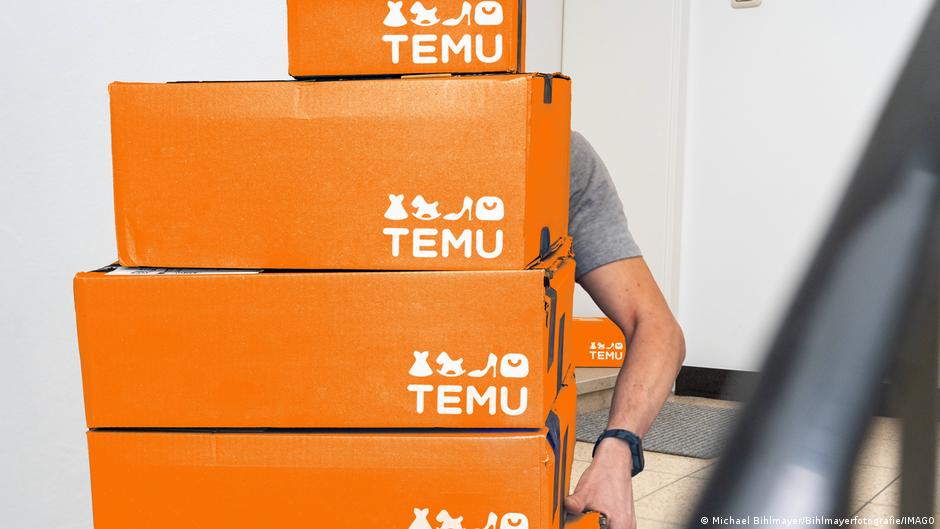
Shein has been criticized for counterfeits, aggressive marketing, poor working conditions, and unsafe products. Nevertheless, many people are happy about the greater shopping opportunities and the affordable prices. Although Shein and online platform Temu are different and have different business models, the result is often the same: a flood of cheap Chinese goods and the packaging that goes with them. The European Union’s exemption from import duties on packages worth less than 150 euros also played a role for the companies.
Millions of Packages from China
One of the biggest concerns of these Chinese e-commerce platforms is sustainability. Much of the goods purchased on their platforms are shipped directly from manufacturers in China to consumers around the world. These individually packaged goods are flown in for quick delivery, overwhelm customs authorities, and often cannot be returned. Environmental groups are concerned about the clothing waste caused by cheap fast fashion, the waste from plastic and cardboard packaging, and the emissions from all those flights that transport the goods around the world.
Consumer Protection in the EU
In addition to sustainability aspects, consumer advocates and the European Commission have repeatedly warned about unsafe products that do not meet EU standards. New test results published on October 30 by an independent organization based in Berlin that specializes in product testing, confirm what many fear. The tests showed dramatic results, with 110 out of 162 items purchased from manufacturers selling through Temu and Shein not meeting EU standards, and around a quarter being potentially dangerous.
EU Authorities Take Action
In May, the EU Commission informed Shein about practices on his platform that violated EU consumer law. Complaints include fake discounts, pressure on consumers to complete purchases, misleading information about consumers’ legal rights, misleading product labels, and misleading sustainability claims. In July, the Commission preliminarily found Temu to be breaching its obligations under the Digital Services Act by failing to do enough to stop the sale of illegal products.
EU Countries Take Action
In October, the German antitrust authorities initiated proceedings against Temu. They want to see whether the platform may have any influence on pricing on its German online marketplace, including setting final sales prices. In August, Shein was fined one million euros by the Italian competition authority for misleading environmental claims. In July, Shein was fined €40 million by the French competition authority for misleading discounts and environmental claims.
Future Regulations
France has gone a step further and is working on new regulations for fast fashion companies like Temu and Shein. If approved, it would ban their advertising in France, force them to report on the environmental impact of their goods, and impose a levy of up to 10 euros on each piece of clothing purchased. Big fines and more regulations could slow down Chinese e-commerce giants, but they won’t stop them. Europe must pull itself together and hold Temu and Shein accountable, with clear accountability and deterrent consequences when the products they sell violate EU rules.
