

Decline of Domestic Flights in the UK
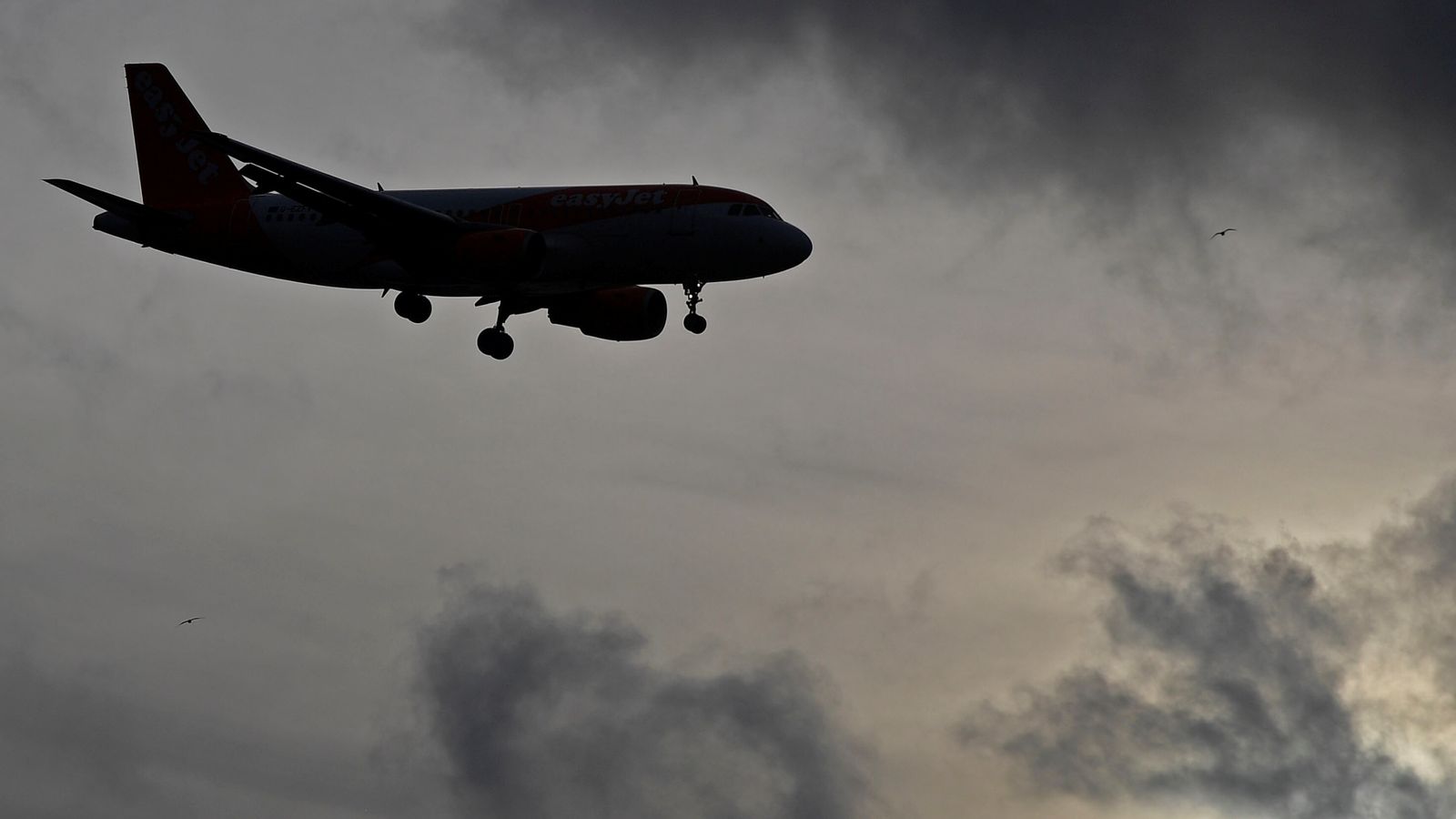
The number of domestic flights in the UK has more than halved in the last 20 years, despite a global increase in air travel. This significant decline has been observed even as the cost of flights has remained relatively stable, with fares for a London to Edinburgh flight remaining between £40 to £70 when booked in advance.
Factors Contributing to the Decline
A combination of factors has contributed to this trend. Better and more frequent train services have made rail travel a more attractive option for many passengers. Additionally, higher passenger tax and growing concerns about the environmental impact of flying have also played a role. The shift in working patterns, particularly since the pandemic, has also led to a decrease in the demand for domestic flights.
Impact on the Aviation Industry
The impact of changing demand has been severe, with several regional airlines collapsing or significantly reducing their services. Flybe, once Europe’s largest regional airline, has collapsed twice, while British Midland and its low-cost arm, bmibaby, are no longer in operation. Several UK airports have also closed commercial operations in the last 20 years, including Doncaster Sheffield, Blackpool, and Plymouth.
Shift in Airline Priorities
Airlines have responded to the decline in demand by reducing their internal services and prioritizing more popular destinations, such as Spain, France, and Italy. Major budget airlines like easyJet and Ryanair have shifted their focus to short-haul flights outside the UK, where they can generate more revenue from additional services like baggage and seating.
Rise of Rail Travel
As the demand for domestic flights has declined, rail travel has seen a significant increase. The number of passenger journeys has risen from around 1.08 billion in 2005/06 to 1.73 billion in 2024/25, an increase of around 60%. Many airports, such as Southampton, Norwich, and Exeter, now rely primarily on seasonal leisure flights, while domestic flights are mostly limited to feeder flights to long-haul hubs or lifeline services to remote regions.
Changing Travel Patterns
The way people travel across the UK has undergone a significant change in the last 20 years. With the decline of domestic flights, airlines have been forced to adapt and prioritize more profitable routes. As the demand for rail travel continues to rise, it is likely that this trend will continue, with significant implications for the aviation industry and the way people travel across the UK.
