

Introduction to China’s Market
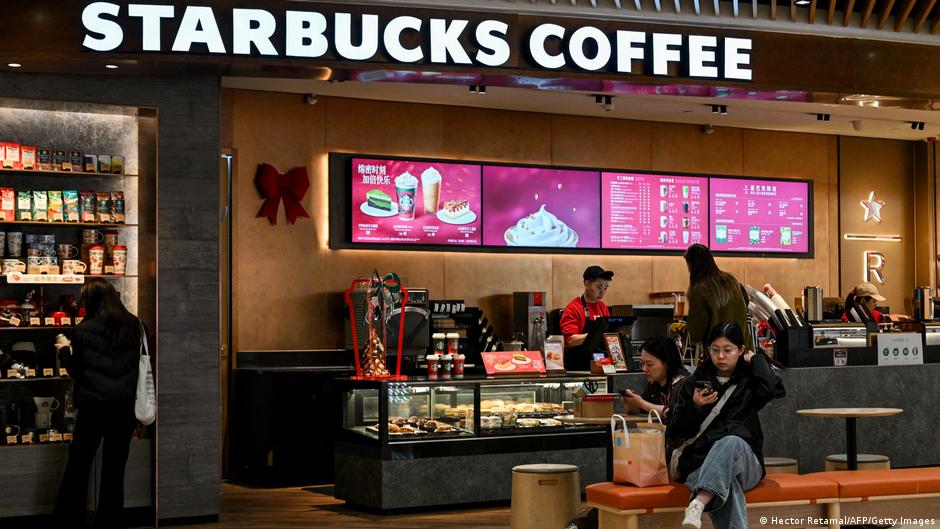
When Starbucks opened its first store in Beijing in 1999, it didn’t just sell coffee; it sold Western aspirations to China’s emerging middle class. The Seattle-based giant expanded quickly and dominated China’s premium coffee scene. However, this early mover advantage has since disappeared. Chinese rivals like Luckin Coffee and Manner have overtaken Starbucks in store count and captured market share thanks to aggressive pricing, mobile integration, and a better understanding of Chinese consumer habits.
The Rise of Chinese Brands
Chinese brands are racing ahead, and for U.S. retailers, the problem is not just falling demand, but also the speed and sophistication of local competitors who are bringing new products to market faster and more aggressively. They also integrate seamlessly into China’s digital ecosystem via mobile platforms such as WeChat and Alipay. Many of these global names have started to lose their brand power in China. The new name of the game is agility and adaptability.
Joint Ventures in China
Joint ventures are just one risk reduction strategy. Several U.S. manufacturers have recalibrated their global supply chains in the wake of the COVID-19 pandemic to reduce reliance on China because they were overly reliant on a single source for manufacturing and parts. Apple shifted some of its iPhone production to India, while Nike expanded production in lower-cost markets in Southeast Asia. Amid uneven growth, U.S. companies’ confidence in China has also reached an all-time low, with just 41% of companies optimistic about the next five years.
US Companies Reducing Dependence on China
US companies are reducing their dependence on China as tariff problems persist. JVs are just one risk reduction strategy. Several U.S. manufacturers have recalibrated their global supply chains in the wake of the COVID-19 pandemic to reduce reliance on China because they were overly reliant on a single source for manufacturing and parts.
Could This Phase of Joint Ventures Be Different?
Historically, JVs were the default legal route for foreign companies to enter China in the 1990s. However, these arrangements can be risky due to inconsistent regulatory enforcement, limited control over operations, and potential intellectual property exposure. Many US companies have had bitter experiences, faced with diluted control, slower decision-making, and conflicts with local partners.
Can US Brands Maintain a Competitive Advantage?
The biggest risk for U.S. retailers is not competition, but exiting China. Foregoing the world’s largest consumer market would mean foregoing long-term growth. The exit may look like risk minimization, but it also carries the risk of irrelevance. If you leave China, you not only lose sales today, but also the ability to shape the habits of tomorrow’s consumers. Once these habits are set by local brands, it is almost impossible for foreign companies to win them back.
