
Introduction to Period Poverty in Pakistan
Pakistan is one of the countries most affected by period poverty. This issue is deeply rooted in the lack of access to essential resources for managing menstruation, affecting girls and women across the country.
The Scope of the Problem
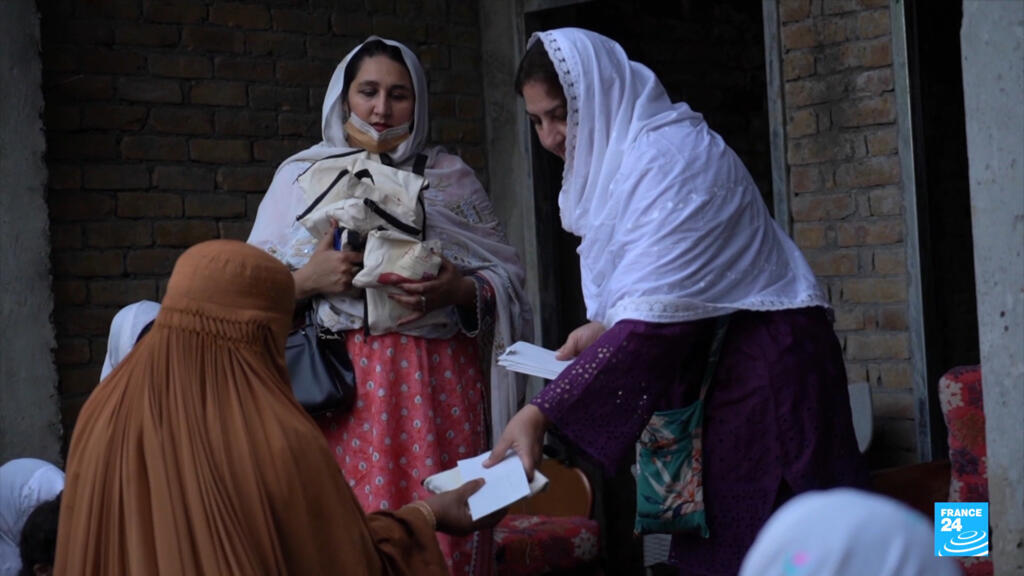
Almost 44 percent of girls do not have access to the minimum resources they need to manage their period, whether at home, at school, or at work. This staggering statistic highlights the severity of the problem, which is exacerbated by limited access to menstrual hygiene products, clean water, and sanitation.
Consequences of Period Poverty
The consequences of period poverty are far-reaching and have a significant impact on the daily lives of girls and women. A lack of information about menstrual health and hygiene, coupled with the inability to access necessary products, leads to serious health issues and social challenges.
Impact on Education and Work
Many girls and women are prevented from attending school or going to work due to the lack of resources to manage their periods. This not only affects their education and career prospects but also perpetuates a cycle of poverty and inequality.
Health and Hygiene Concerns
The absence of clean water and sanitation facilities, along with the unavailability of menstrual hygiene products, poses significant health risks. Girls and women are forced to use unhygienic materials, which can lead to infections and other health complications.
The Need for Awareness and Action
Addressing period poverty in Pakistan requires a multifaceted approach that includes increasing awareness about menstrual health, improving access to hygiene products, and enhancing sanitation facilities. It is crucial to break the stigma surrounding menstruation and to ensure that girls and women have the resources they need to manage their periods with dignity.
