

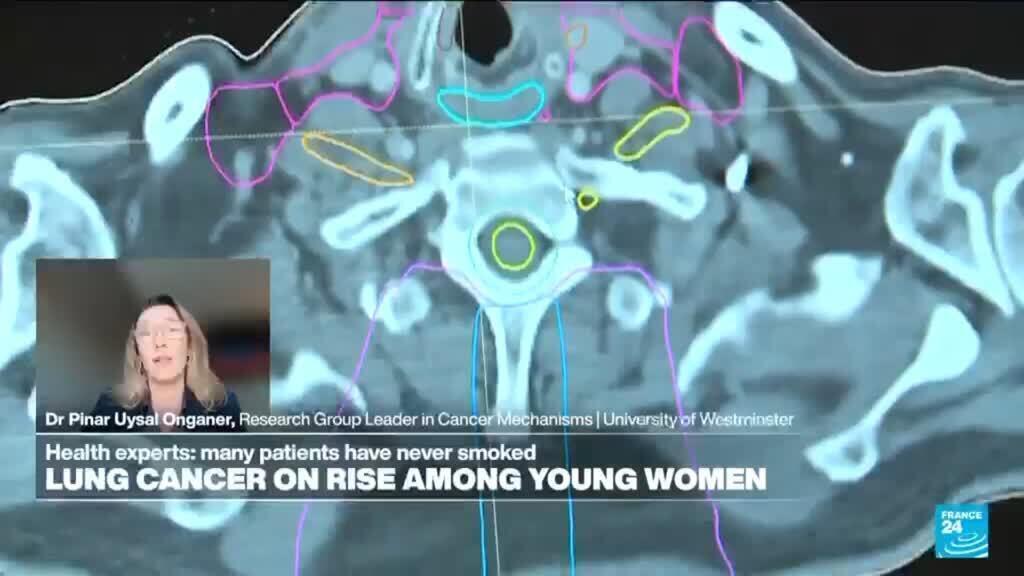
Introduction to Lung Cancer
Lung cancer is a growing concern, with a significant number of new cases being reported in the United States. According to recent statistics, 20% of these new cases involve individuals who have never smoked. This trend is particularly alarming, as it suggests that factors other than smoking are contributing to the rise in lung cancer cases.
The Demographics of Lung Cancer
Young women make up the majority of non-smoking lung cancer cases. This demographic shift has led experts to investigate other potential causes of the disease. The fact that a significant proportion of lung cancer cases are now being diagnosed in non-smokers highlights the need for a broader understanding of the risk factors involved.
Causes of Non-Smoking Lung Cancer
Experts believe that the rise in non-smoking lung cancer cases can be attributed to several factors, including radon exposure, air pollution, and genetic mutations. Radon, a naturally occurring gas, can accumulate in buildings and homes, posing a significant health risk to occupants. Air pollution, particularly in urban areas, is another major contributor to lung cancer. Genetic mutations, which can be inherited or caused by environmental factors, also play a significant role in the development of the disease.
The Role of Radon and Air Pollution
Radon exposure is a significant risk factor for lung cancer, particularly in areas where the gas is prevalent. Air pollution, on the other hand, is a more widespread problem, affecting millions of people worldwide. The combination of these two factors can significantly increase an individual’s risk of developing lung cancer.
Understanding Genetic Mutations
Genetic mutations can be inherited or caused by environmental factors such as exposure to carcinogens. These mutations can affect the genes responsible for cell growth and division, leading to the development of cancer. Understanding the role of genetic mutations in lung cancer is crucial for the development of effective treatment strategies.
Expert Insights
Experts in the field of molecular biology are working to understand the underlying causes of lung cancer. By studying the genetic and environmental factors that contribute to the disease, researchers hope to develop new treatments and prevention strategies. The rise in non-smoking lung cancer cases highlights the need for continued research and awareness about the risk factors involved.
