

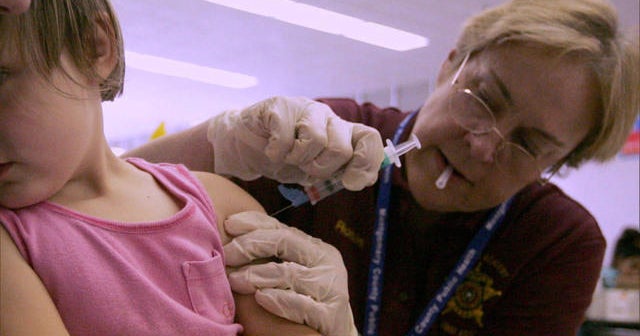
Winning Hearts and Minds Over Vaccines
The World Health Organization listed vaccine hesitancy — when parents delay or withhold vaccines for their children — as one of the Top 10 health risks for 2019. Now, with more than 700 confirmed cases of measles in 23 states, public health officials are scrambling to put a stop to it.
The Role of Science in Addressing Misinformation
Dr. Jon LaPook reports on health experts using science as an antidote to misinformation about vaccines. This approach aims to educate the public and promote the importance of vaccination in preventing the spread of diseases like measles.
Addressing Vaccine Hesitancy
Vaccine hesitancy is a significant concern, as it can lead to outbreaks of preventable diseases. By addressing the root causes of vaccine hesitancy and providing accurate information, health experts hope to increase vaccination rates and protect public health.
The Importance of Vaccination
Vaccination is a crucial tool in preventing the spread of diseases and protecting public health. By getting vaccinated, individuals not only protect themselves but also help prevent the spread of diseases to others, especially those who are most vulnerable, such as young children and people with weakened immune systems.
Conclusion
In conclusion, addressing vaccine hesitancy and promoting the importance of vaccination is critical in preventing the spread of diseases like measles. By using science to address misinformation and educate the public, health experts can help increase vaccination rates and protect public health.
